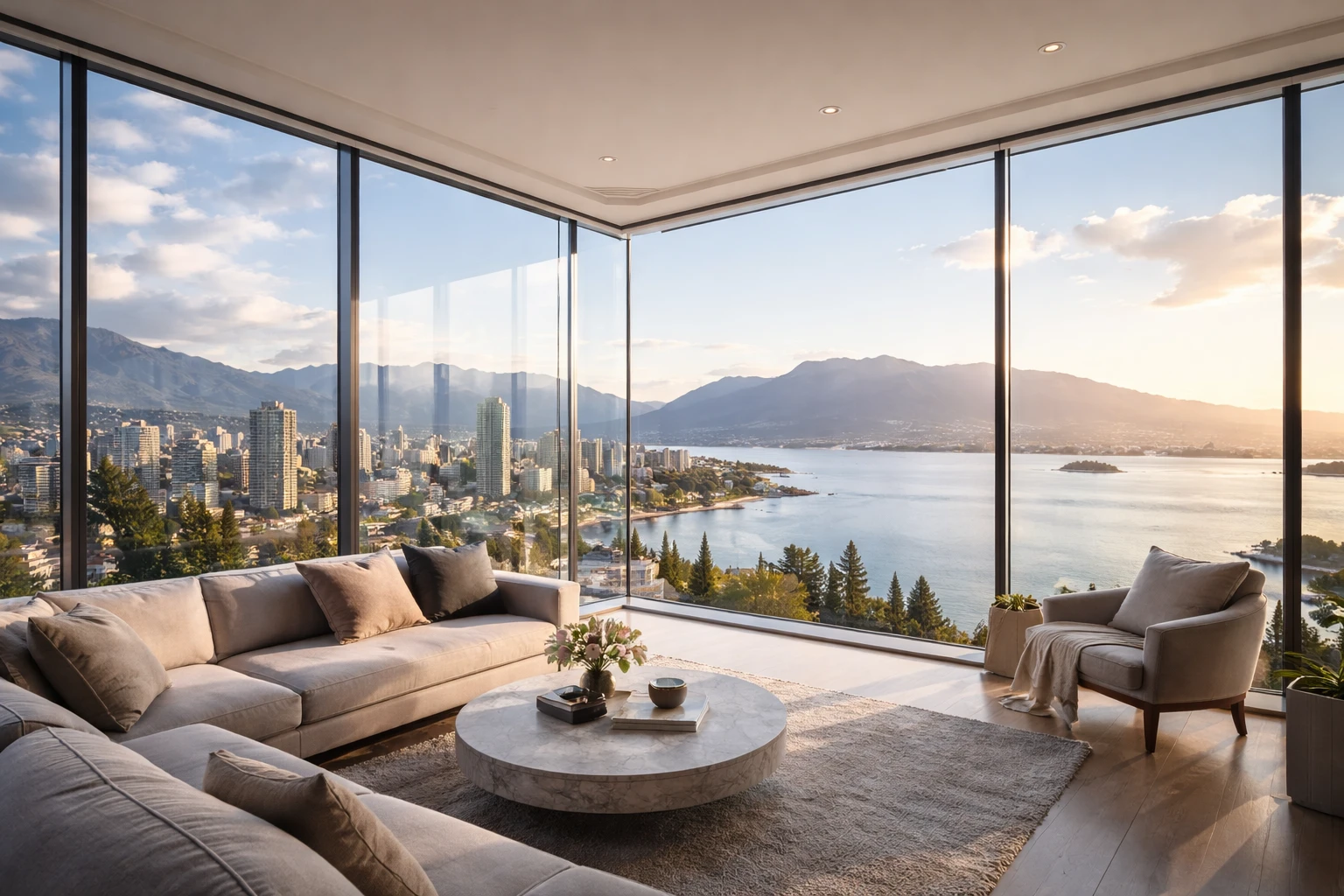
A city’s skyline isn’t just about how tall the buildings are. It’s about how life inside connects with the world outside. By 2026, the way people design homes has really shifted. Now, it’s all about letting in more sunlight and opening up those views. If you live in a busy city, your walls don’t just shut you in—they’re more like clear gateways, putting you in touch with the energy of the streets and the ever-changing Pacific. Nowhere is this more obvious than with the high-performance windows in Vancouver. Here, these glass installations aren’t just windows; they’re high-tech shields against the coastal weather, but at the same time, they give you that sweeping look at the mountains and sea. Developers are betting big on glass, and it’s changing how people live—suddenly, your living room feels like it’s in conversation with the outdoors.
The engineering behind all this glass is pretty wild. Vancouver’s mix of humidity and gusty winds means you can’t just throw up a big window and call it a day. Developers pick windows that can handle the damp, the salt, and the constant breeze. The latest triple-pane glass, packed with special gases, keeps things cozy when it’s wet and chilly, and cool when the sun turns up in July. Noise from the streets or far-off harbor? Not a problem. Special coatings on the glass take the edge off city sounds, so you get the view without the racket. This kind of attention to detail means you can enjoy living in a glass-walled home without giving up privacy or comfort.
The Impact of Daylighting on Resident Well-being
Apartment life in 2026 leans hard into the mental boost you get from “daylighting”—that’s just a fancy way of saying lots and lots of natural light.
Circadian Rhythm Regulation: Getting real sunlight through the day keeps your sleep on track and lifts your mood. Makes home feel like a place you actually want to rest.
Visual Expansion of Space: Big windows can turn a tight apartment into something that feels open and breezy, just by stretching your view past the walls.
Biophilic Connection: Huge glass panels let you watch the sun move and weather change, so you feel more in tune with the world outside your door.
Security and Durability in Coastal Design
Looks aren’t everything. When you live by the coast, you need windows and doors that hold up to salt air and storms. These days, frames are made from tough composites that don’t warp or rust. Locks are built right in, so you get strong security without blocking the view. And before any of this stuff goes up, it’s tested to make sure it’ll stand up to whatever the weather throws at it.
The Role of Smart Glass Technology
Smart features are pretty much a given now.
- Dynamic Tinting: Some windows can change how much light they let in, getting darker when the sun’s blazing, and lighter when it’s not. Keeps your furniture safe from fading, and your rooms cool.
- Integrated Sensors: Tiny sensors can track air quality or temperature, and tell your HVAC system when to kick in for max comfort.
- Low-Maintenance Coatings: Windows come with coatings that help rain wash away grime, which is a lifesaver in a city where it rains all the time.
Sustainability and Environmental Stewardship
If you care about the planet, you want a building that pulls its weight. Energy-efficient glass is key for getting that LEED stamp of approval and keeping energy bills down. These windows trap heat in the winter and reflect it in the summer, so you’re using less energy year-round. It’s about more than just ticking boxes for regulations—it’s about making homes that last, for you and everyone who comes after.
Seeing the City from a New Angle
At its heart, modern residential design tries to make everyday city life feel special. Home isn’t just somewhere you crash at night—it’s a front-row seat to the city’s energy and the natural world just beyond. Developers who invest in top-notch materials and cutting-edge architecture aren’t just chasing trends; they’re building places that last and look amazing. When good design blurs the line between inside and out, you don’t just live in a space—you feel connected to everything around you. That’s what sets these homes apart.
Frequently Asked Questions (FAQs)
Architectural transparency refers to the use of large glass elements and open layouts to visually connect interior living spaces with the surrounding city and natural environment.
They are engineered to withstand humidity, salt air, and strong winds while maintaining insulation, durability, and energy efficiency.
Natural light supports circadian rhythm regulation, boosts mood, and makes interior spaces feel larger and more inviting.
Triple-pane windows use multiple layers of glass and insulating gases to reduce heat transfer, improve soundproofing, and enhance overall energy performance.
Modern solutions include specialized coatings, strategic placement, integrated blinds, and smart glass that adjusts tint automatically.
Smart glass can dynamically adjust its tint based on sunlight levels and may include integrated sensors that help regulate indoor climate conditions.
Yes, high-performance glass and reinforced composite frames are tested for impact resistance, wind pressure, and long-term structural durability.
Energy-efficient glazing reduces heating and cooling demands, lowering overall energy consumption and supporting green building certifications.
Yes, advanced acoustic glazing and specialized coatings significantly reduce outside noise while preserving clear views.
Because buyers value natural light, energy efficiency, and stronger connections to both city life and nature, making these properties more desirable and future-proof.