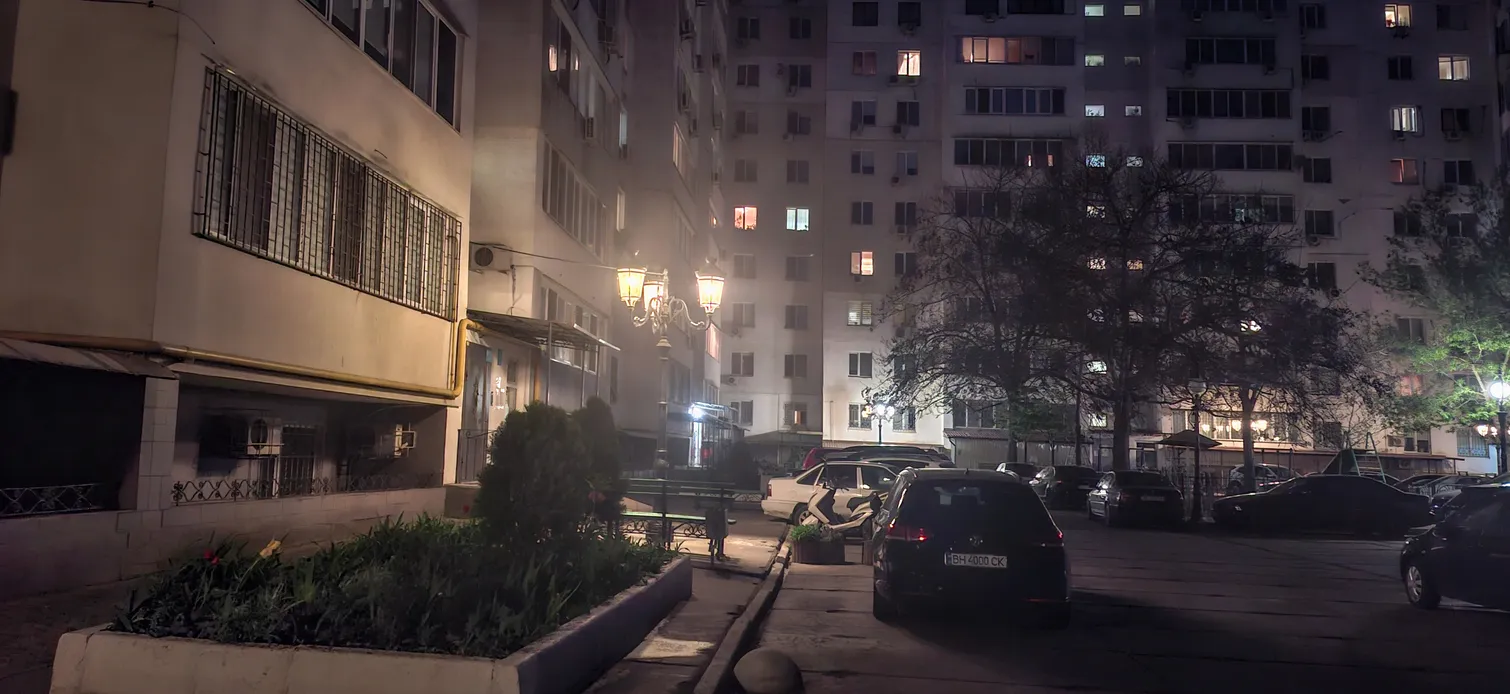
Apartment owners in Florida are supposed to keep their properties reasonably safe for both residents and guests, and that includes making sure common areas are well-lit. If poor lighting leads to a motorcycle crash on or around the property, the owner could be on the hook—especially if they knew about the problem and just let it slide. Florida law does tend to hold property owners responsible for injuries that stem from avoidable dangers like bad lighting.
Who’s actually at fault, though, can get complicated. It depends on where the accident happened, whether the owner had any clue about the lighting issue, and if they did anything to fix it or at least warn people. Motorcycle crashes often involve a tangle of factors—road conditions, other drivers, you name it—so figuring out if bad lighting at an apartment property played a role takes some digging. Anyone thinking about compensation might want to talk with a Florida motorcycle accident lawyer who’s seen this kind of thing before.
It’s not just slips and falls—poor lighting can easily contribute to much more serious accidents, including those involving motorcycles. Keeping parking lots, entrances, and nearby roads well-lit isn’t just a box to check; it’s a real part of the owner’s responsibility to help keep people safe.
Legal Liability of Apartment Owners for Poor Lighting in Florida
Apartment owners in Florida are expected to provide enough lighting to minimize risks on their property. When a lack of light plays a role in an accident—especially one involving a motorcycle—owners can face legal trouble under certain premises liability laws. It’s worth looking at what’s actually required of them and how lighting fits into the bigger safety picture.
Florida Premises Liability Laws and Duty of Care
Florida law says property owners need to keep their properties safe and free from hazards that could hurt people. This goes for tenants and visitors—basically anyone who’s invited onto the property. If an owner lets the lighting get so bad that it creates hidden dangers, that’s usually seen as dropping the ball.
The responsibility isn’t just about fixing problems they know about; it’s also about warning people if there’s a risk that isn’t obvious. If a landlord ignores lousy lighting, especially when they should’ve known better, they’re opening themselves up to claims. The law expects owners to recognize hazards and do something about them, not just look the other way.
Liability for Motorcycle Accidents on Apartment Property
If a motorcycle crash happens because of bad lighting on apartment grounds, the owner might end up legally responsible—especially if poor visibility hid an obstacle or hazard. These kinds of accidents are often tied to things like unseen potholes or uneven pavement that a rider just can’t spot in the dark.
The person hurt has to show the owner either knew or should have known about the lighting problem, and that the issue actually led to the accident. Motorcyclists are at a disadvantage when it comes to visibility and quick reactions, so lighting really matters. If the owner didn’t bother to fix things or warn people, that’s where liability can come in.
Role of Common Areas: Parking Lots, Sidewalks, and Walkways
Common spaces—think parking lots, sidewalks, walkways—are absolutely the owner’s job to keep safe, and that includes making sure they’re lit up enough at night. These spots see a lot of traffic, and it’s easy for hazards to go unnoticed if the lighting’s bad.
Florida law actually requires that these shared areas be kept in decent shape, which means you can’t just ignore broken lights or skip regular checks. If someone gets hurt because a parking lot was pitch black and nobody bothered to fix it, that’s pretty much classic negligence. Owners are expected to keep up with repairs, replace bulbs, and inspect things regularly to meet their duty of care.
Proving a Claim and Recovering Damages After Poor Lighting Accidents
Filing a premises liability claim for a motorcycle wreck caused by bad lighting means you need solid proof. You’ve got to connect the dots between the lighting problem and the actual injuries. Of course, owners might argue that the rider was partly at fault or that something else caused the crash, which can affect any payout.
Key Evidence: Scene Documentation, Medical Records, and Witness Statements
Getting good evidence is huge. Photos or videos of the dark area, any tripping hazards, or what the scene looked like right after the accident can make a big difference. If there’s an incident report from the apartment management, hang onto that too.
Medical records matter—a lot. They show what injuries happened, how bad they were, and what it cost to treat them. Stuff like broken bones or head injuries from a motorcycle accident can be traced back to the lighting issue if the records line up.
Witnesses can also help. If someone saw the crash or can back up that the lighting was terrible, their statements can really strengthen a case. All these pieces together make it harder for the owner to deny there was a problem.
Causation and Types of Recoverable Damages
To win a premises liability case, you’ve got to show that the poor lighting was a direct factor in what happened. That link—causation—is key. It’s not just about falling or tripping; it’s about showing that the unsafe condition led to the motorcycle accident and the injuries that followed.
Damages can cover a lot: medical bills, lost wages if you can’t work, and the pain and suffering that comes with getting hurt. Sometimes, if the owner’s actions (or lack of action) were especially bad, punitive damages might even come into play.
Long-term impacts—like ongoing treatment or a permanent change to your quality of life—are also part of what gets considered. Injury lawyers usually dig into every angle to make sure clients get as much compensation as possible.
Comparative Negligence and Defenses for Apartment Owners
Florida law uses comparative fault rules, which can knock down compensation if the injured person had some part in causing the accident. Say a motorcyclist was distracted or didn’t pay enough attention to lousy lighting—well, their damages could get sliced down to match their share of the blame.
Apartment owners might claim the lighting problem was obvious and that anyone could’ve avoided it, or insist they did what they could to keep things safe. Sometimes, they’ll bring up trespassing or suggest the injured person was partly at fault.
A premises liability lawyer can push back on those defenses, pointing out neglected repairs or ignored safety codes. Having someone in your corner like that can make a real difference when you’re fighting for fair compensation against these arguments.
Frequently Asked Questions (FAQs)
Yes, Florida law generally requires apartment owners to keep common areas reasonably safe, which includes adequate lighting.
Yes, insufficient lighting can hide hazards like potholes, curbs, or uneven pavement that can easily cause a motorcycle crash.
It usually applies to common areas such as parking lots, sidewalks, walkways, entrances, and other shared spaces.
The injured person must show the owner knew or should have known about the poor lighting and failed to fix or warn about it.
Liability depends on who controls the area where the crash occurred and whether the apartment owner was responsible for maintaining the lighting there.
Photos of the dark area, maintenance records, witness statements, and medical records are all important pieces of evidence.
Damages may include medical bills, lost income, pain and suffering, and in some cases long-term or permanent injury costs.
Yes, under Florida’s comparative negligence rules, compensation can be reduced if the rider shares some blame.
Not automatically, but ignored or unrepaired lighting issues in high-traffic areas often support a negligence claim.
Yes, a Florida motorcycle accident lawyer can help determine liability, gather evidence, and pursue fair compensation.