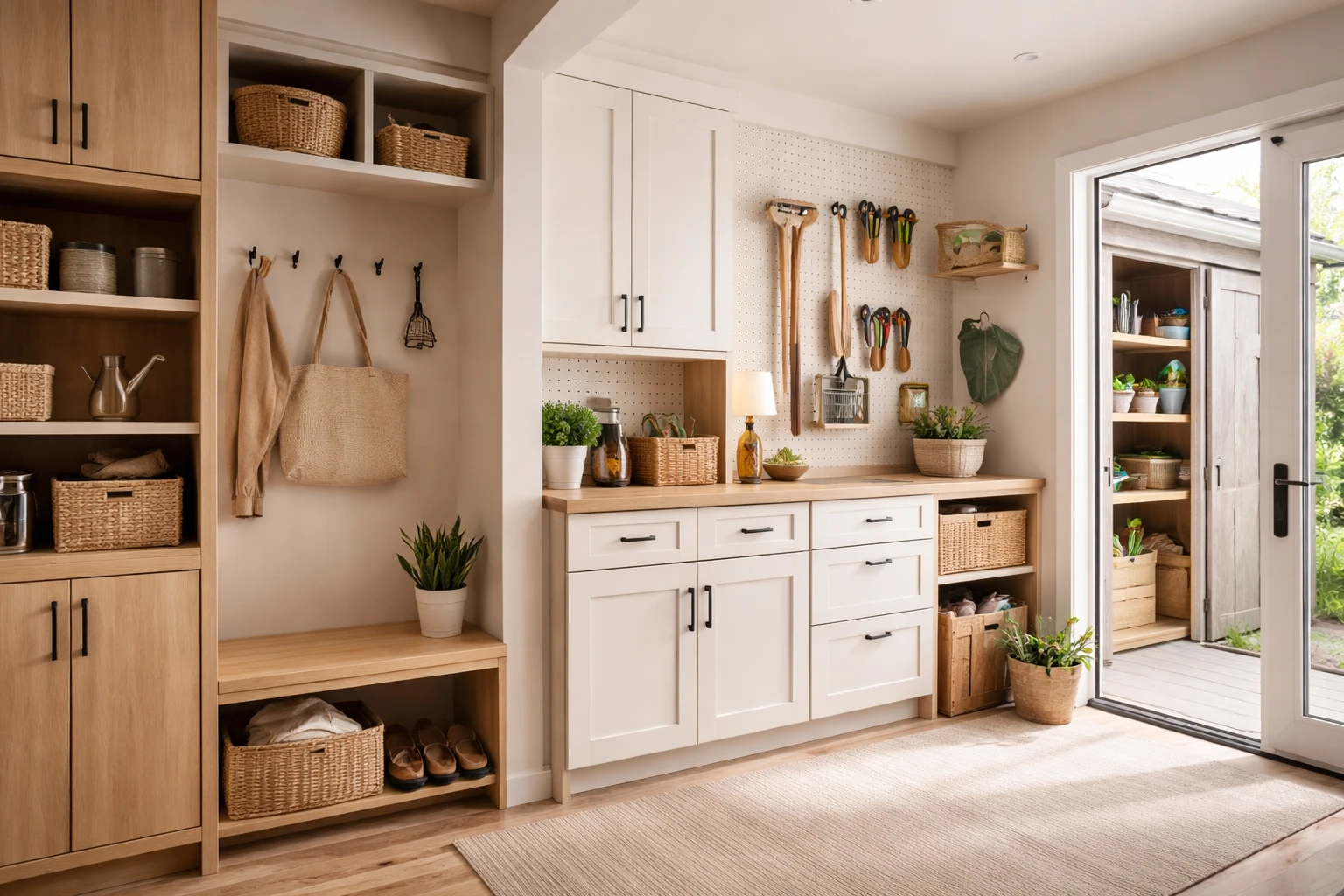

Storage usually fades into the background until it starts causing problems. A door sticks, a shelf is awkward to reach, or a once-helpful setup starts looking tired. Before long, those little inconveniences begin to affect your routine, and something meant to make life easier becomes one more source of frustration.
Most of the time, the issue is not the amount of storage you have. It comes down to how that space is set up, how easy it is to access, and how well it fits into the rest of your home. When storage is practical and visually consistent, it works harder for you and feels far less disruptive. A few thoughtful changes can make overlooked areas feel cleaner, more useful, and easier to live with.
Why Storage Should Be Both Functional and Visually Cohesive
Storage does more than hold your belongings. It affects how a space feels and how smoothly your day unfolds. When everything is easy to reach and looks like it belongs where it is, your home feels calmer and more organized.
The visual side matters more than people often think. Consistent finishes, simple lines, and materials that work well together help reduce visual clutter. Even practical areas feel more polished when they connect naturally with the rest of the room instead of looking separate from it.
Function matters just as much. A storage area can look clean and well designed, but if it is awkward to open, difficult to reach, or frustrating to keep in order, it will not serve you well for long. The best storage setups combine good design with everyday usability, supporting your routine without demanding extra effort.
Common Problems That Make Storage Hard to Use
Many storage problems start with small details that are easy to ignore. Over time, those details become the reason a space feels inconvenient every single day.
Access is often the first issue. Openings that feel tight, doors that do not move smoothly, and shelves that are hard to reach can make even a decent-sized storage area feel inefficient. When using a space feels like work, it becomes much harder to keep it organized.
Wear is another common problem. Hinges loosen, surfaces become rough, and materials begin to break down. The structure itself may still be usable, but the experience of using it changes. That is often when clutter starts building up, not because there is no room left, but because the setup no longer works the way it should.
Layout can create problems as well. If items are difficult to see or buried behind other belongings, the space stops feeling practical. You end up shifting, stacking, and searching more than necessary, which makes the whole area harder to manage.
Small Design Changes That Improve Everyday Usability
Improving storage does not always mean starting over. In many cases, the better option is to improve what is already there. That might mean updating an indoor closet, reworking a hallway cabinet, improving a balcony storage unit, or fixing a small outdoor gable shed that still has plenty of life left in it.
Start with access points. Storage should open easily and give you enough room to reach what you need without a struggle. If doors are sticking, sagging, or no longer lining up properly, that one issue can affect the whole setup. For outdoor structures, replacing the part that gets the most use is often the smartest move. In those cases, improvements often include reinforcing materials, upgrading access points, and considering well-built shed doors for sale to restore both function and ease of use without changing the entire structure.
Materials matter too. Durable hardware, smooth finishes, and properly fitted components tend to last longer and make storage easier to use every day. Even a few well-chosen changes can remove a lot of friction and make a space feel much more dependable. For larger projects involving built-in cabinetry, closets, or structural changes, professional home remodelers in Texas can also help homeowners create storage solutions that fit naturally into the existing layout and design of the home.
Enhancing the Look of Storage Spaces Without Overdoing It
Storage does not need to stand out to look good. In most homes, it works best when it feels like a natural part of the space instead of a problem you are trying to hide.
Simple choices usually make the biggest difference. Consistent colors, natural textures, and clean finishes can help practical areas feel more cohesive. When cabinets, storage benches, outdoor units, and utility pieces share a similar visual style with the surrounding space, the room feels more settled as a whole.
It also helps to keep the design approach simple. Smoothing worn surfaces, fixing mismatched details, or updating visible components can sharpen the overall look without making the area feel overdone. A few ideas from interior design basics can be useful here, especially when you are trying to create balance, proportion, and consistency.
Making the Most of Outdoor and Overlooked Storage Areas
Outdoor storage is easy to ignore, but it has a real impact on how organized your home feels. Balconies, patios, and small exterior storage areas can quickly become cluttered when they are hard to access or are starting to show wear.
Usability comes first in these areas. If opening a unit feels awkward or pulling items out takes more effort than it should, the space is not likely to stay tidy. Good access, durable materials, and a sensible layout make these areas much easier to maintain over time.
Appearance matters here as well. When outdoor storage looks cared for, it feels like part of the home rather than a forgotten corner. A few updates to finishes, doors, or structural details can make a noticeable difference in how functional and polished the area feels.
Creating Storage That Works for Your Daily Routine
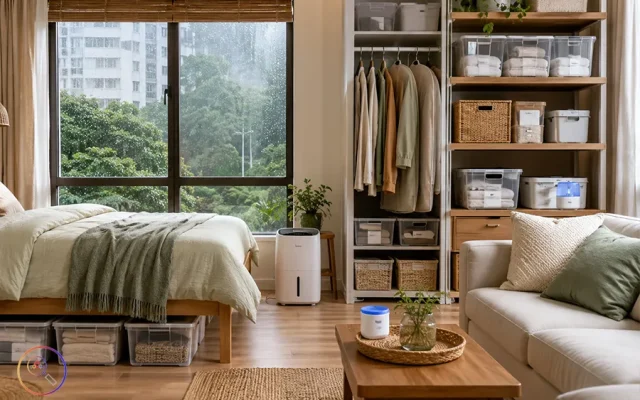
The best storage setups reflect the way you actually live. Items you use every day should be easy to grab, while things you use less often can be placed farther back, higher up, or in spaces that do not need quick access.
That kind of planning pays off fast. You spend less time digging through piles, moving things out of the way, or letting clutter build because the setup is working against you. A good storage system does not need to be complicated. It simply needs to make sense for your habits and your space.
That is also why small improvements tend to last. When a space is easy to use, you are more likely to keep it organized. For more practical ideas along those lines, smarter storage strategies for apartment living offer helpful ways to make better use of the space you already have.
Conclusion
Well-designed storage makes everyday life easier. When access is smooth, materials hold up well, and the overall look feels consistent, even simple storage areas become more useful and less frustrating.
The biggest improvements often come from smaller changes. A better door, a stronger finish, a cleaner layout, or a more thoughtful design choice can add up to a space that works better and feels more complete.
Frequently Asked Questions (FAQs)
Storage design affects both how your space looks and how efficiently you can access and organize your belongings.
Sticking doors, hard-to-reach shelves, and clutter buildup are clear signs your storage setup is not working well.
In many cases, small upgrades like fixing doors or improving layout can significantly enhance existing storage.
When items are hard to reach, it discourages organization and makes everyday use more frustrating.
Durable materials and smooth finishes make storage easier to use and ensure it lasts longer.
Yes, consistent colors, finishes, and materials help storage blend seamlessly into the overall design.
Focus on better access, durable materials, and simple upgrades like replacing worn components.
Ignoring layout and accessibility, which leads to clutter and inefficient use of space.
Place frequently used items within easy reach and store less-used items in less accessible areas.
Yes, even minor updates like fixing hardware or reorganizing layout can greatly improve usability and appearance.