
The amenities that keep long-term tenants don’t win because they look expensive on a tour. They win because residents actually use them. Weekly. Sometimes daily. And because those amenities quietly remove friction-fewer headaches, fewer “this place is a mess” moments, fewer reasons to start scrolling listings at midnight. If you’re evaluating an apartment building for lease, this is the difference between “nice on day one” and “easy to live with for year three.”
Here’s what we see again and again: the best retention comes from practical resident-experience upgrades. Stuff that makes mornings smoother, deliveries less stressful, and the unit more livable in every season. Flashy amenities can help leasing velocity, sure. But long-term tenants usually stay for reliability. Boring works.
Why long-term tenants matter: the hidden cost of turnover
Turnover cost makes retention the highest-ROI “upgrade”
Turnover is one of the most expensive “invisible” line items in multifamily. A widely cited industry figure pegs turnover at about 3872 per resident-and that’s not just paint and cleaning. It’s vacancy loss, make-ready costs, concessions you swear are “one-time,” and the marketing spend it takes to refill the unit with qualified traffic.
Here’s the part owners sometimes miss: reducing churn can outperform rent growth on NOI impact because the savings drop straight to the bottom line. No heroics required. Just fewer move-outs.
Where amenities fit and where they don’t
Amenities pay when they remove recurring pain points or upgrade convenience in a way residents feel every week. They fail when they’re hard to access, inconsistently available, or poorly maintained.
A gym that’s always “temporarily closed” isn’t a feature. It’s a resentment generator. Same with a package room that feels chaotic, unsecured, or like a daily treasure hunt. The amenity didn’t fail because the idea was bad. It failed because execution was sloppy.
The amenity hierarchy: must-haves vs differentiators vs noise
The “3-tier” framework for amenity prioritization
A practical amenity strategy starts with ranking, not shopping. We use a simple three-tier hierarchy:
- Tier 1: must-haves that prevent disqualification and protect retention
Examples: comfort basics, reliable building access, functional package solutions. - Tier 2: differentiators that win the lease and can support renewals when executed well
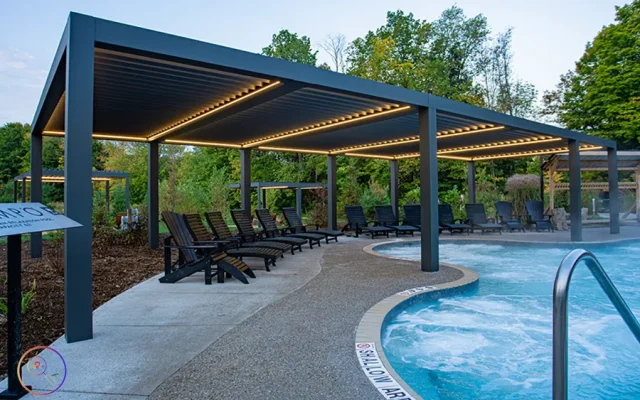
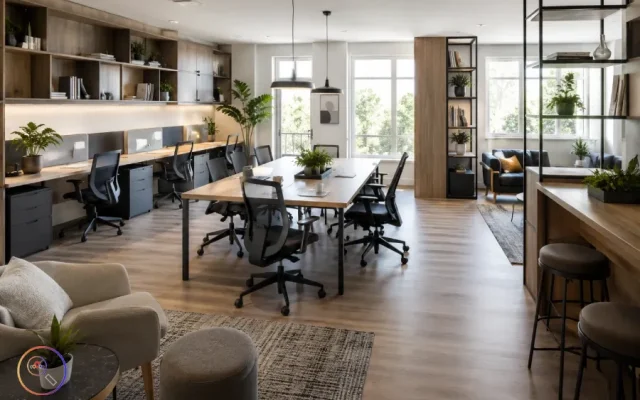
Examples: strong coworking/quiet zones, smart home features, curated outdoor space. - Tier 3: nice-to-have noise that photographs well but rarely changes renewal behavior
Examples: seldom-used “lifestyle” rooms that add cost and complexity without daily value.
A copy-and-use planning template:
- Keep: Tier 1 items already working well
- Improve: Tier 1 items residents complain about most
- Add: Tier 2 items that match the resident persona and competitive set
- Remove: Tier 3 items that are expensive to maintain and rarely used
If you’re not sure what tier something belongs in, ask a blunt question: Would a resident miss this enough to renew for it? If not, it’s probably noise.
Top amenities that attract long-term tenants: the proven retention set
Comfort and convenience inside the unit
Long-term tenants renew when the unit supports real life. Comfort isn’t occasional. It’s daily.
Temperature control and laundry sit at the top because they’re not “nice perks.” They’re quality-of-life infrastructure. Recent renter preference polling showed A/C as a top must-have, with about 70% of renters calling it essential, and in-unit laundry close behind at 68%. That gap is tiny. The message is loud: comfort basics beat glamour.
Layouts and storage matter more than people admit on tours. Good closet space. A kitchen that doesn’t fight you. Somewhere to put the vacuum, the stroller, the recycling bin. A unit that’s easy to live in generates fewer complaints-and fewer move-out conversations. It’s not sexy. It’s sticky.
Reliable connectivity and move-in readiness
Connectivity is basically a utility now. Plenty of renters expect internet to be ready at move-in, not installed “sometime next week.” Research has highlighted that 41% of apartment renters expect service to be ready-to-go from day one.
Retention angle is simple: when move-in day starts with a dead zone and a router scavenger hunt, the building loses trust early. When connectivity is seamless, the property feels modern and competent. And trust is a retention asset.
Safety and security that feels real
Perceived safety is a retention driver, not just a leasing talking point. And “security” doesn’t mean a camera in the lobby that nobody monitors. Residents judge safety at the real touchpoints they experience:
- entry and controlled access that works consistently
- parking areas with clear lighting and sightlines
- package areas that don’t feel like an invitation to theft
- after-hours lighting and clear wayfinding for late arrivals
When someone feels uneasy walking from car to door, the renewal conversation is already compromised. You can’t “amenity” your way out of that.
Package management that prevents daily frustration
Package management is one of the most used amenities on the property, even though residents don’t call it an amenity. They call it “my stuff.”
Secure delivery reduces stress for residents and reduces interruptions for onsite teams. Preference data has gotten blunt here: one report cited 78% of residents preferring smart lockers as their primary package delivery solution.
This upgrade pays twice:
- residents get reliability and control
- staff gets fewer “Where is my box?” emergencies
It also reduces the quiet resentment that builds when deliveries go missing. Quiet resentment is dangerous. It doesn’t show up as a complaint. It shows up as a notice to vacate.
Pet-friendly done properly
Pet policies influence length of stay more than many owners expect. Pet-friendly apartments attract stable households-when the policy is designed to reduce conflict and damage.
A recent Zillow analysis reported that 58% of renters have pets (up from 46% in 2019), and nearly half said they passed on a property because it wasn’t pet-friendly. Pet-friendly listings also earned more engagement and were typically leased about eight days faster.
Here’s the key: “pet-friendly” works best when it’s operational, not just permissive.
That means:
- clear rules (that are enforced consistently)
- fair fees
- designated pet relief areas
- waste stations that are actually stocked
- finishes that can survive real life
Done carelessly, pets become a maintenance story. Done well, they become a retention engine.
Amenities rising in importance for 2026: what’s becoming baseline
Smart home features that increase perceived safety and control
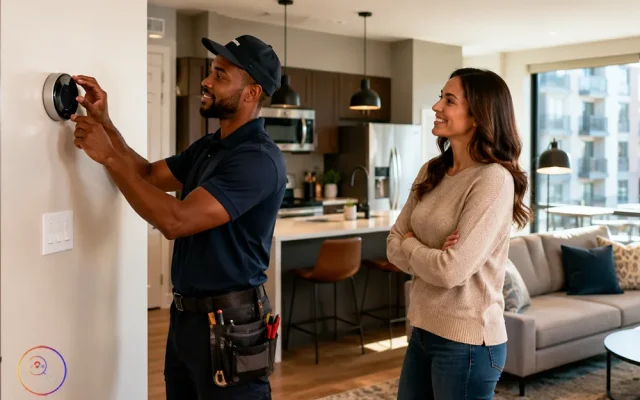
Smart home features are drifting toward baseline expectations-especially where renters see them as safety and control tools.
A national renter survey found 58% would sacrifice traditional amenities like pools and gyms in exchange for better smart tech, and 54% now expect smart locks, thermostats, and security cameras as standard in a modern rental. Even more telling for retention: 77% said they would consider signing a longer lease (2+ years) if smart devices were included.
Operational lesson: deploy smart tech as a system, not gadgets.
- keyless entry needs backup procedures
- smart thermostats need clear resident education
- support has to be real, not “submit a ticket and pray”
When smart tech is reliable, it reduces friction. When it fails, it creates the kind of “this place is cheap” story that spreads fast.
EV charging as a retention and future-proofing lever
EV charging isn’t a universal requirement yet. In EV-heavy submarkets and higher-income renter cohorts, it can be decisive.
One survey cited multifamily residents being about 2.5x more likely to own an EV if they can charge at home. The same research found that the share of residents planning to own or drive an EV in the next five years drops sharply when at-home charging isn’t available.
EV charging is not a “quick add.” It’s infrastructure:
- electrical capacity
- install timelines
- load management
- pricing and access policy
The mistake is treating it like a decorative upgrade when it’s really a building systems project.
How to choose amenities by resident persona and asset type
Match amenities to who renews, not who tours
Pick amenities for the people most likely to renew, not the loudest tour-day preferences.
A Class A high-rise with young professionals may win with enterprise-grade connectivity, smart access, and well-managed shared space. A Class B suburban property might see stronger retention from in-unit convenience upgrades plus safer, brighter parking and pathways. Class C retention often hinges on reliability: working HVAC, fast maintenance response, and security lighting that reduces daily stress.
A few pairings that typically hold up:
- Remote workers: quiet zones + move-in ready internet
- Families: storage + parking clarity + safety lighting
- Pet owners: pet wash or stations + durable flooring guidance + clear rules
- Car-dependent renters: secure parking + bright walkways + package security
If your amenity plan doesn’t match your resident persona, you’re just buying stuff.
Implementation playbook: what to add first and how to measure it
A phased approach: quick wins, mid-capex, big bets
The strongest renewal strategy sequences upgrades to protect cash flow and reduce disruption. Start with high-usage reliability. Scale into capex.
Quick wins (fast impact, low disruption)
- lighting upgrades in parking/entries
- package workflow cleanup (hours, signage, accountability)
- WiFi onboarding improvements and move-in instructions
- clear signage and wayfinding that reduces daily confusion
Mid-capex (targeted retention investments)
- package lockers or improved parcel room controls
- access control upgrades and key management systems
- laundry upgrades (in-unit where feasible, or modernized shared laundry)
Big bets (strategic, longer payback)
- EV charging infrastructure
- major HVAC retrofits or building-wide comfort upgrades
Measurement should be just as practical:
- renewal rate by building or stack (before/after by cohort)
- resident satisfaction pulse scores tied to specific amenities
- maintenance response time proxy (and repeat work orders)
- package incident rate (missing items, staff time, complaints)
No mystery metrics. If you can’t measure the impact, you’re guessing.
Common misconceptions and overlooked opportunities
Misconception: “luxury amenities create long-term tenants”
Pools and gyms can absolutely help leasing. Retention is usually more sensitive to reliability, comfort, and daily convenience.
That survey data showing 58% of renters would trade pools and gyms for smart tech? That’s not a tech headline. It’s a signal that daily control is beating occasional lifestyle for a lot of residents.
Luxury becomes noise when it’s crowded, broken, or awkward to use. Residents notice. They always notice.
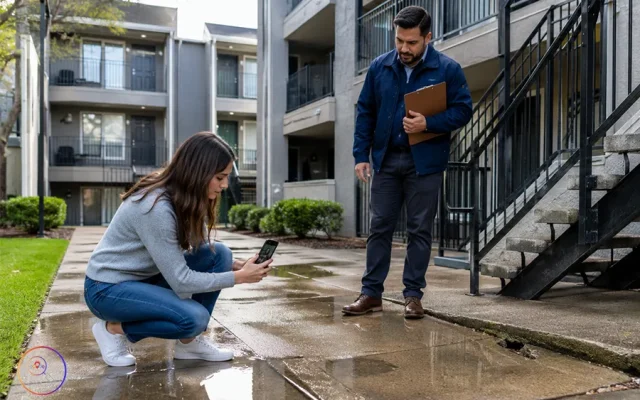
Overlooked opportunity: friction audits
One of the best upgrades is removing recurring annoyances. A friction audit walks the resident journey and fixes what repeatedly triggers complaints:
- Move-in: keys, access, internet readiness, basic orientation
- Deliveries: package security, pickup hours, clarity of process
- After-hours entry: lighting, access reliability, safety feel
- Maintenance request: response time, updates, first-time fix rate
- Parking: rules, signage, enforcement consistency
- Renewal: proactive communication, transparent options, timing
This work isn’t glamorous. It’s also the work that keeps long-term tenants.
Closing: the long-term tenant amenity checklist
Decision-ready checklist: the retention stack
The most effective amenity checklist is the one residents actually feel every week. Long-term renters renew when the retention stack is solid, usable, and consistently maintained:
- In-unit comfort basics: A/C performance, laundry convenience, practical storage
- Connectivity: high-speed internet readiness and reliable building infrastructure
- Safety/security: controlled access, lighting, parking safety, secure entry points
- Packages: secure delivery with lockers or a well-run parcel room
- Pet-friendly operations: clear policies, pet stations, durable finishes
- Smart tech (where it fits): keyless entry and smart controls with support processes
Amenities have to be usable, maintained, and clearly communicated. Otherwise they turn into expensive décor.
And décor doesn’t improve renewal rates.
Frequently Asked Questions (FAQs)
In-unit comfort features like A/C, laundry, reliable internet, and secure package management have the strongest impact on renewals.
They can help attract renters, but daily-use conveniences usually matter more for long-term renewals.
Because residents interact with it frequently, and secure, organized delivery reduces daily frustration and complaints.
Extremely important—it’s consistently ranked as one of the top quality-of-life features renters look for.
Yes, especially when they enhance safety and convenience, such as smart locks and thermostats.
When managed properly with clear rules and designated areas, pet-friendly policies significantly boost retention.
Not necessarily—it depends on the resident demographic and submarket demand.
Use a tiered framework: protect must-haves first, improve pain points, then add differentiators that match the resident profile.
Adding flashy features that are poorly maintained or rarely used.
Track renewal rates, resident satisfaction scores, maintenance requests, and amenity-related complaints before and after upgrades.