Apartment living has changed dramatically over the past decade. What once focused mainly on location and square footage has evolved into a broader lifestyle conversation. Today’s buyers are not just purchasing a unit, they are choosing a living environment that supports how they work, socialize, and recharge.
Across global cities, new residential developments are responding to these changing expectations. Buyers are more informed, more selective, and more focused on long-term value. This is visible not only in local markets but internationally, where interest in well-designed urban properties continues to grow. Developments like Vela Bay in Singapore, for example, reflect how modern projects are being designed around lifestyle, connectivity, and future-forward living rather than just housing supply.
This shift signals something bigger than design preference. It reflects how people now define “home.”
Lifestyle Comes First
Modern buyers increasingly prioritize lifestyle alignment. They ask how a property fits their daily routines, not just their budget. Walkability, nearby amenities, green spaces, and community features all matter.
Many urban residents want access to cafes, transit, wellness spaces, and social areas within reach. The idea of commuting long distances for basic conveniences is becoming less attractive. Developments that integrate lifestyle features appeal to buyers who value time and accessibility.
This trend is particularly visible among younger professionals and globally mobile buyers.
Design That Supports Real Life
Floor plans are also evolving. Open layouts, flexible spaces, and natural light are high priorities. Buyers want homes that can adapt, spaces that can function as a work-from-home setup, relaxation area, or social space depending on the day.
Storage solutions, sound insulation, and efficient layouts have become more important as people spend more time at home. These details affect daily comfort more than flashy finishes.
Good design is now measured by usability as much as aesthetics.
Amenities as an Extension of Home
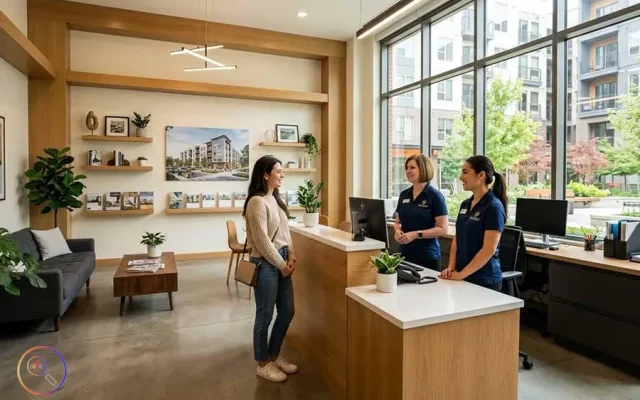
Shared amenities are no longer afterthoughts. They are central selling points. Gyms, co-working lounges, rooftop gardens, and wellness areas allow residents to extend their living space beyond their unit.
These features also support community. Many buyers value developments that encourage interaction without forcing it. Comfortable shared spaces create optional connection, a middle ground between privacy and community. This reflects a broader shift toward experience-driven living.
Technology Integration
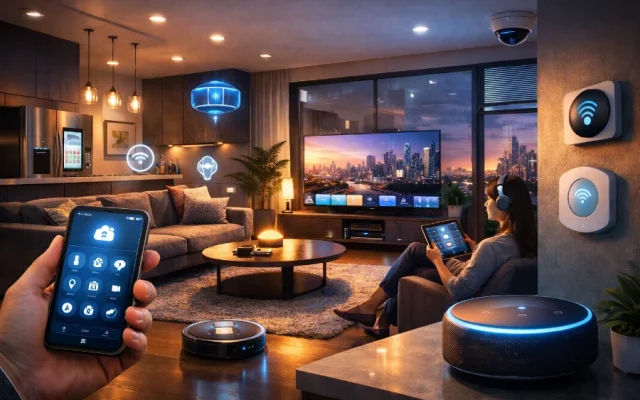
Smart-home features are increasingly expected. Buyers appreciate digital access systems, energy-efficient controls, and app-based services. These tools improve convenience and can reduce long-term operating costs. Technology also supports sustainability, which is becoming a strong factor in buyer decisions.
Sustainability Matters
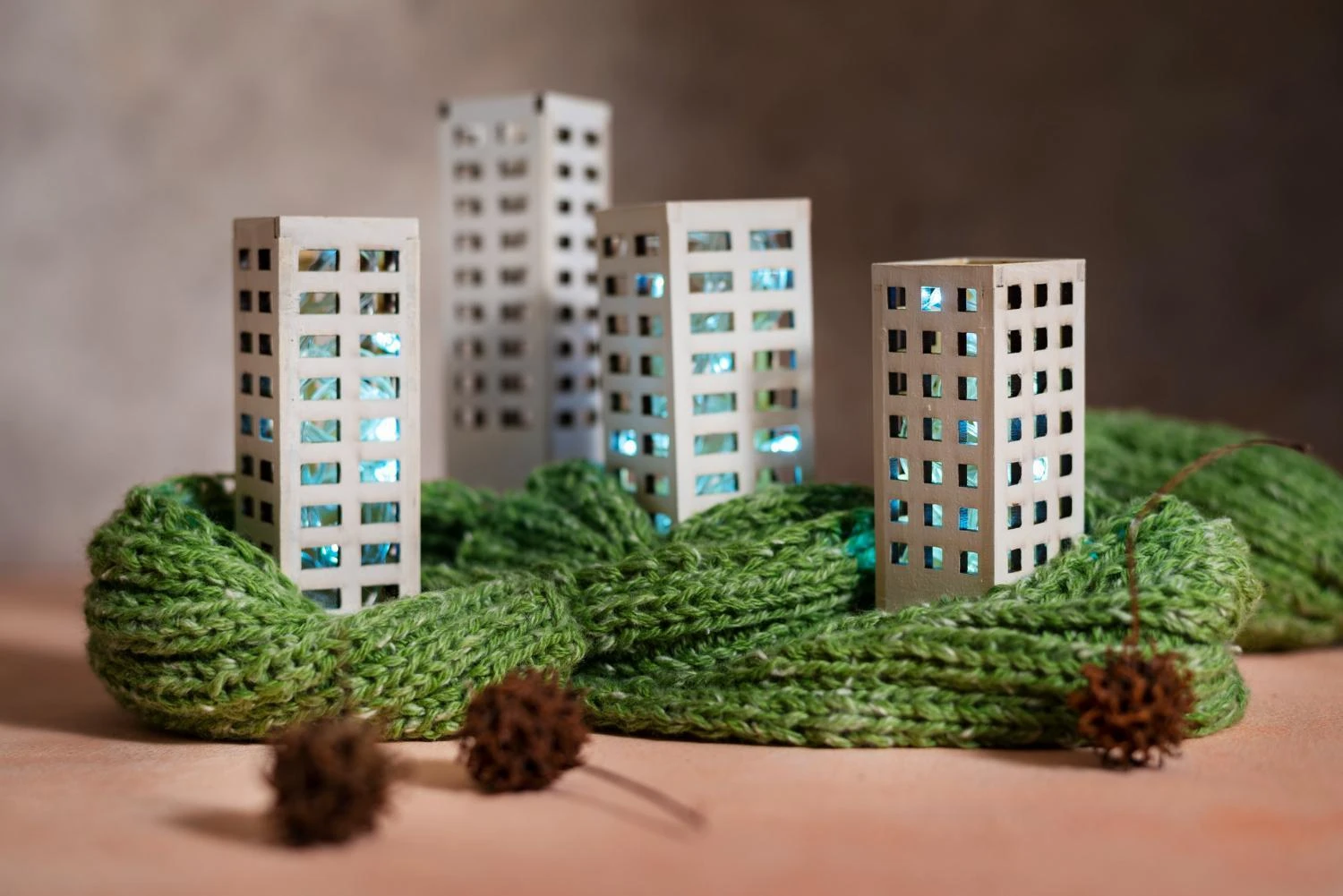
Environmental awareness influences real estate more than ever. Energy efficiency, green certifications, and eco-friendly materials attract attention from both end-users and investors.
Sustainable design is not just about environmental impact; it also reduces utility costs and improves long-term value. Buyers recognize this practical benefit. Developments that include greenery, natural ventilation, and efficient systems often stand out.
Investment Mindset
Even owner-occupiers think like investors today. They consider resale potential, rental demand, and neighborhood growth. A home is both a living space and a financial asset.
Location still matters, but buyers also evaluate infrastructure plans, transit access, and regional development. Cities with strong economic outlooks attract cross-border interest.
Singapore, for instance, remains a popular market due to its stability and urban planning. Developments there often draw international attention.
Global Buyer Awareness
The internet has made global property markets more visible. Buyers can research developments, compare markets, and understand trends before ever visiting a site.
This transparency has raised expectations. Developers now compete not just locally but globally. Quality, reputation, and long-term planning matter more than ever. Buyers are looking for credibility as much as comfort.
What the Research Shows
Industry research supports these observations. The Urban Land Institute consistently highlights that modern buyers prioritize mixed-use communities, sustainability, and lifestyle integration. Their global reports show that future residential demand leans toward quality-of-life features over sheer size. This aligns with what developers are building and what buyers are seeking.
Community as a Value Factor
Another rising priority is community feel. People want to live among like-minded residents, whether that means families, professionals, or active retirees. Developments that foster a sense of belonging often see stronger resident satisfaction. This doesn’t mean forced socialization. It means thoughtful design that allows connection naturally.
Long-Term Thinking
Perhaps the biggest change is time horizon. Buyers are thinking long term. They consider how a property will serve them in five or ten years, not just today.
Adaptable design, strong location fundamentals, and reputable developers provide reassurance. Stability matters in uncertain economic times.
Today’s apartment buyers are informed, intentional, and lifestyle-driven. They look beyond finishes and brochures to evaluate how a development supports real life. Comfort, sustainability, design, and community all influence decisions.
This shift has pushed developers to think more holistically. The most attractive projects are those that understand modern living, not just housing demand.
For buyers, the question is no longer “Is this a nice apartment?” but “Does this fit how I want to live?”
And as urban living continues to evolve, developments that align with lifestyle, connectivity, and future needs will remain in demand.
Frequently Asked Questions (FAQs)
Buyers prioritize lifestyle alignment, including walkability, amenities, community feel, and how the space supports daily living.
People now see their home as part of a broader living experience, not just a private space, making convenience and quality of life more valuable than extra square footage.
Developments now favor flexible layouts, natural light, and multipurpose spaces that adapt to work, rest, and social activities.
Amenities extend living space beyond the unit, supporting wellness, productivity, and social connection without requiring residents to leave the property.
Smart-home features improve convenience, energy efficiency, and long-term operating costs, making them an expected part of modern living.
Eco-friendly design lowers utility costs, improves comfort, and enhances long-term property value while aligning with environmental values.
Yes, many buyers consider resale value, rental demand, and neighborhood growth even if they plan to live in the property themselves.
Thoughtful community spaces encourage organic interaction and a sense of belonging without forcing social engagement.
Buyers can easily compare developments worldwide, raising standards for design quality, transparency, and developer credibility.
Adaptable design, strong location fundamentals, sustainability, and a reputation for quality help ensure the property remains relevant over time.