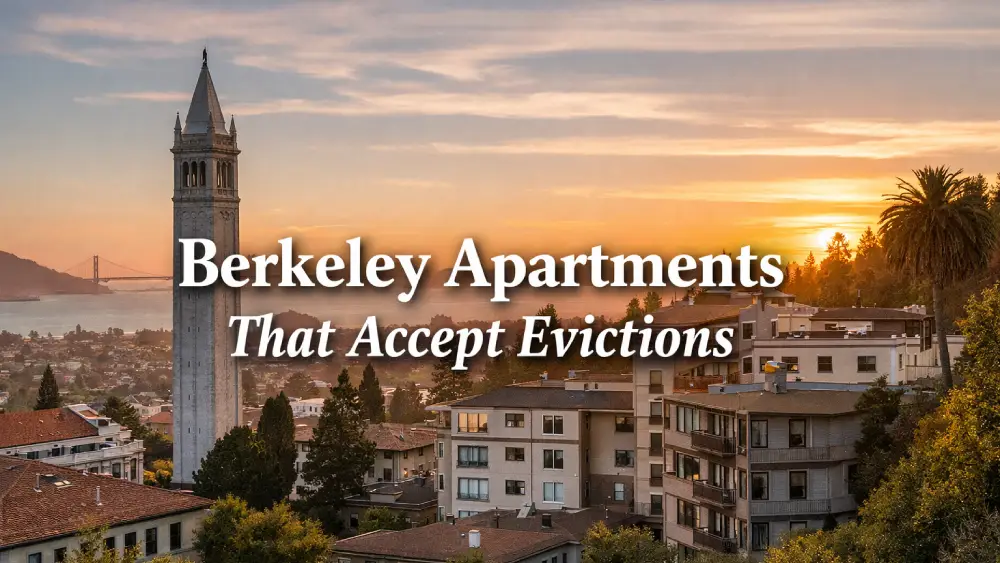
Finding Berkeley Apartments That Accept Evictions is less about knowing which buildings to apply to and more about understanding who owns the housing. Berkeley’s rental market is dominated by small, long-term owners whose decisions are shaped by personal risk tolerance, rent control exposure, and hands-on management preferences rather than standardized corporate screening. This ownership-driven ecosystem creates quiet flexibility for renters with eviction histories—but only in the right situations and property types.
Why Ownership Matters More Than Credit in Berkeley
Unlike cities dominated by large apartment operators, Berkeley’s rental stock is fragmented across thousands of individual owners. These owners are often evaluating tenants based on future management burden rather than past financial mistakes.
An eviction here is rarely treated as a binary yes-or-no factor; instead, it becomes part of a broader judgment call about stability, communication style, and whether the tenancy will remain low-conflict under rent control.
Ownership Types and Eviction Flexibility
| Ownership Type | Common Property Size | Eviction Flexibility | Why It Works This Way |
| Individual Owner | 2–6 units | Moderate to High | Decisions are personal and focused on long-term ease |
| Family Trusts | 4–12 units | Moderate | Often prioritize steady income over strict screening |
| Small Partnerships | 10–25 units | Low to Moderate | Influenced by lender and insurance rules |
| Institutional Owners | 25+ units | Low | Must justify approvals to third parties |
Flexibility increases as ownership becomes more local, less leveraged, and more hands-on.
Neighborhoods Where Exceptions Are More Likely
Certain Berkeley neighborhoods naturally align with ownership patterns that allow discretion.
| Area | Ownership Profile | Practical Impact |
| South Berkeley | Duplexes and triplexes | Higher chance of contextual review |
| West Berkeley | Mixed-use and older stock | Owners often value income continuity |
| Elmwood edges | Long-held properties | Stability often outweighs past issues |
| North Berkeley | Family-owned rentals | Quiet approvals happen off-market |
Downtown Berkeley and transit-oriented developments tend to skew institutional, where eviction histories are harder to overcome.
How Evictions Are Actually Evaluated
Berkeley landlords who accept evictions usually focus on why the eviction occurred rather than that it occurred.
They commonly assess:
- Time elapsed since the eviction
- Whether rent arrears were later resolved
- Current income relative to rent
- Employment stability after the eviction
- Communication and transparency during screening
This explains why two applicants with identical eviction records can receive completely different outcomes.
When Newer Buildings Are Less Forgiving
New construction and mid-rise buildings often advertise flexibility, but their ownership structures tell a different story. These properties operate under debt covenants, insurer rules, and internal compliance standards that sharply limit discretion.
Even when leasing staff are sympathetic, approvals must pass risk review—making eviction exceptions rare regardless of applicant strength.
Strategic Housing Alternatives in Berkeley
For renters navigating eviction barriers, alternative housing paths often provide faster, more reliable results:
- Airbnb can offer short-term stability while rebuilding rental history.
- Furnished Finder is useful for medium-term housing with lighter screening.
- Facebook Marketplace Rooms for Rent often involve informal approvals by owner-occupants.
- Private Landlords remain the most eviction-flexible option when approached correctly.
- The Guarantors may offset perceived risk for certain owners.
- Second Chance Apartment Locators can provide guidance and education, but not placement, in California markets.
Local Guidance and Market Insight
While Berkeley does not allow traditional apartment locating services for placement, experienced local professionals can still provide valuable market education and strategic direction.
Ellie Ridge – District Homes
📞 (510) 860-5683
Raised in Albany and educated at UC Berkeley, Ellie brings deep local insight, construction literacy, and data-driven strategy to East Bay real estate. Her ability to translate complex housing realities into actionable guidance makes her a valuable resource for renters navigating nuanced approval scenarios.
RentSFNow
📞 (415) 621-9140
RentSFNow operates across San Francisco’s rental landscape with a streamlined application model and broad inventory, offering both furnished and unfurnished options across diverse neighborhoods and budgets.
Team K.Ho – Vanguard Properties
📞 (415) 297-7462
Led by attorney-trained Kevin Ho, Team K.Ho blends legal precision, design expertise, and hands-on strategy to help clients understand housing decisions beyond surface-level listings.
What Makes Berkeley Apartments That Accept Evictions Different
Berkeley Apartments That Accept Evictions exist not because of lenient policies, but because local ownership allows discretion. Success depends on targeting the right property types, understanding landlord incentives, and presenting your situation as low-risk under Berkeley’s long-term rental constraints.
For renters who align their strategy with ownership behavior, Berkeley can be far more flexible than its reputation suggests.
Frequently Asked Questions
No, many small owners evaluate eviction context rather than applying blanket denials.
Typically no, because newer buildings face stricter compliance and lender rules.
Yes, landlords prioritize tenants they believe will remain stable long-term.
South and West Berkeley tend to have more discretionary owners.
Sometimes, if it signals reduced future risk.
Yes, older evictions are viewed more favorably.
They can, but acceptance depends on ownership preferences.
No, but they can offer education and strategy.
It can be, due to tighter housing supply and rent control pressures.