
Apartment life in Texas has its perks, but shared walls and warm weather can invite unwanted visitors. When one unit deals with ants, roaches, or bed bugs, the effects can ripple through hallways, vents, and plumbing lines.
For tenants, pest control goes beyond seeing fewer insects. It can influence sleep, food storage routines, and whether residents feel comfortable using common areas. It also raises practical questions about who schedules treatment, what notices should arrive, and how to prepare without disrupting daily life.
Understanding how these services typically operate helps residents spot problems early and respond in a way that protects both comfort and the lease relationship.
How Pest Control Impacts Comfort In Texas Apartments (Quick Take)
Pest problems affect more than what tenants see crawling across the floor. The real comfort issues often show up in sleep quality, daily stress, and how relaxed residents feel in their own space.
What “Comfort” Really Means In A Pest Situation
In Texas apartments, comfort can shift before anyone spots a single bug. Residents may sleep lightly, avoid the kitchen after dark, or feel uneasy about having guests over. Odors from cockroaches or rodents, scratching sounds in walls, and the need to rewash dishes create friction that makes a unit feel less like home.
Apartment pest control can restore ease quickly when issues are caught early and residents follow prep steps. Sealing gaps, reducing clutter, and storing food properly support pest prevention between visits.
When Pest Control Helps Fast Vs. When It Drags On
Problems resolve faster when ants trail from a single entry point or a few cockroaches appear after rain. With good access to baseboards and sinks, tenants often notice improvement within days.
Discomfort drags on when bed bugs hide in furniture seams, cockroaches nest behind appliances, or rodents settle in wall voids. These pests reproduce out of sight, so missed areas lead to repeat activity. In shared buildings, re-infestation can come from adjacent units through plumbing chases and shared utility lines.
Management may need to coordinate treatment across several apartments, which extends timelines. Because the regional climate can accelerate breeding cycles, professional pest control services in Texas are often required to implement more aggressive, building-wide mitigation strategies to ensure the problem is solved for good.
The Toughest Apartment Pests To Eliminate In Texas—And Why They Keep Coming Back
Some pests settle in and refuse to leave. In Texas apartments, bed bugs and cockroaches cause the most persistent discomfort because they hide well, breed fast, and can develop resistance to common treatments.
Hardest-To-Eradicate Pests In Multi-Unit Buildings
Bed bugs tuck into mattress seams, furniture piping, and baseboards, then hitchhike on luggage or secondhand items. A few survivors can restart an infestation within weeks. Cockroaches wedge behind appliances and inside wall voids, feeding on grease and moisture. Some populations resist standard baits and sprays, which leads to repeat sightings despite treatment.
When DIY Stops Working And You Need Professional Help
Recurring activity, daytime sightings, droppings, or unexplained bites signal that spot treatments are not enough. In apartments, re-infestation often comes from neighboring units through shared plumbing and vents. Coordinated apartment pest control across multiple units, along with consistent pest prevention, typically requires working with professional service providers to break the cycle.
Why Apartment Pest Control Is Different: Shared Walls, Shared Problems
Treating one apartment often provides only temporary relief when pests can travel freely between units. Shared infrastructure creates pathways that keep infestations alive, which is why coordinated approaches matter more in multi-unit buildings than in single-family homes.
How Pests Move Through Buildings
In apartments, shared walls and common infrastructure connect units in ways that single-family homes never experience. Cockroaches, bed bugs, and rodents travel through pipe chases, attics, hallways, and trash rooms without crossing open floors. These hidden corridors keep problems alive even after one unit receives treatment.
Entry points compound the issue. Small gaps around doors and windows, loose plates under sinks, and unsealed vents become everyday access routes that support repeat infestations from neighboring units.
While insects are a common concern in apartment communities, larger wildlife such as squirrels, raccoons, birds, or rodents can also find their way into attics, wall voids, or crawl spaces through small structural openings. Addressing these issues with safe animal trapping solutions helps protect residents, prevents property damage, and ensures animals are removed responsibly without causing unnecessary harm.
Why Integrated Approaches Beat Repeated Spraying
Because neighbors share pathways, apartment pest control works best through Integrated Pest Management (IPM) rather than broad-spectrum spraying. IPM focuses on sealing entry points, improving sanitation, monitoring activity, and applying targeted treatments only where pests appear.
This approach matters because resistance is real. Some cockroach populations tolerate commonly used products, and hidden harborage behind appliances limits contact with sprays. According to peer-reviewed research on pesticide resistance and IPM in multi-unit housing, rotating tactics and tightening pest prevention steps outperforms escalating a single chemical approach.
Early Signs Of Infestation Texas Renters Should Catch Before It Gets Worse
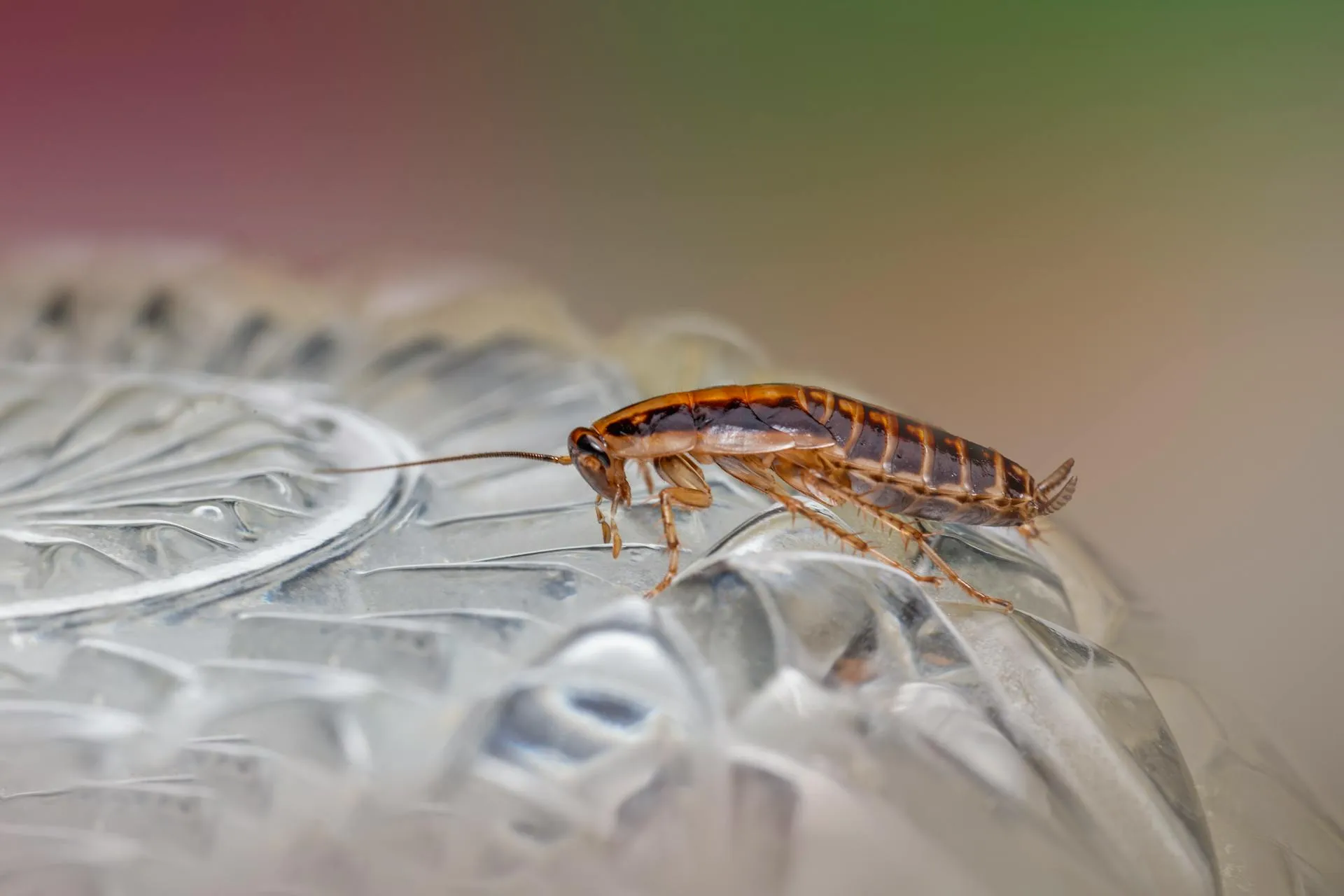
Catching pests early is the single biggest factor renters can control. Knowing where to look and what to document helps residents act before problems spread through shared walls and plumbing.
Bed Bug Warning Signs Renters Miss At First
In Texas apartments, bed bugs leave clues before daytime sightings happen. Bites may appear in clusters or lines, though skin reactions vary and cannot confirm the cause on their own.
More reliable evidence includes tiny rust-colored stains on sheets, pepper-like specks near mattress seams, and pale shed skins. Check box spring edges, headboards, and couch piping where these pests hide. New outbreaks often follow travel, overnight guests, or secondhand furniture.
Cockroach, Ant, And Rodent Clues
Cockroaches leave droppings, grease smears, or a musty odor near cabinets. Rodents produce dark pellets, gnaw marks, and scratching sounds at night.
Ants reveal themselves through trails leading to water or food sources. Focus on hotspots: under sinks, behind appliances, around trash areas, and along baseboards. These entry points often connect to shared plumbing walls where pests travel between units.
What To Document And Why It Matters
Keep a simple log with dates, exact locations, and clear photos of what you find. Track whether activity repeats in the same spots or spreads to new rooms.
This documentation helps property management understand scope and timing. It supports maintenance requests and shows which pest prevention steps you have already tried.
What To Expect During Apartment Pest Control (Inspection, Treatment, Follow-Up)
Professional treatment follows a predictable pattern that helps tenants prepare and set realistic expectations. Knowing what happens at each stage reduces stress and improves results.
Inspection: Where Pros Look First
Technicians start in kitchens and bathrooms where moisture and food attract cockroaches, ants, and rodents. They check under sinks, behind appliances, along baseboards, and inside cabinets for droppings, grease trails, or harborage signs.
Expect questions about when activity appears, which rooms show the most sightings, and whether any DIY treatments were tried. This information shapes the Integrated Pest Management (IPM) approach and determines where to focus.
Treatment: How Products Are Applied
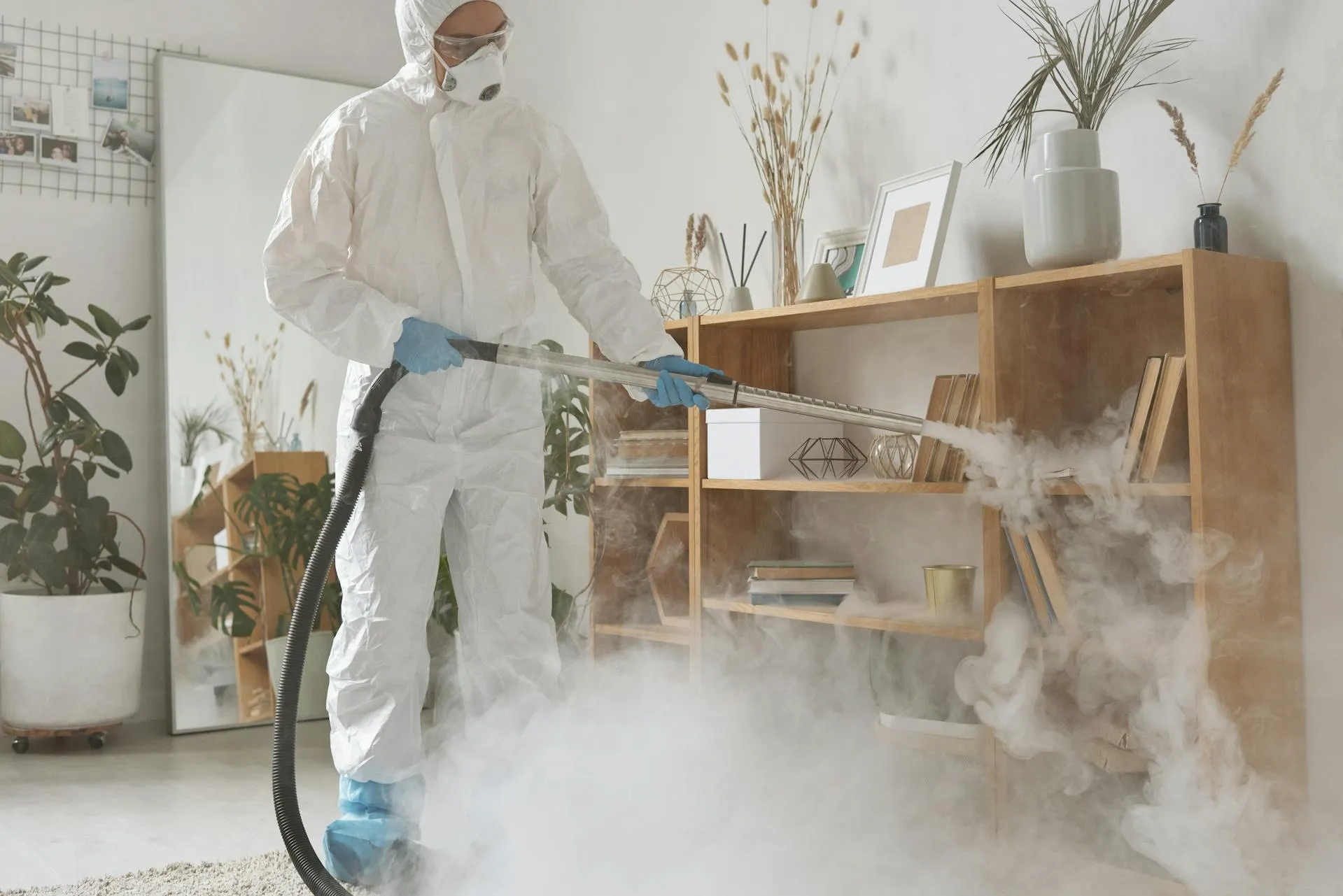
Apartment pest control relies on targeted crack-and-crevice applications rather than broad spraying. Products go into gaps around plumbing, wall voids, and entry points where pests travel.
Tools vary by pest. Cockroaches and ants often respond to baits and dusts. Rodents require traps and exclusion work. Bed bugs need specialized spot treatments and sometimes heat. Technicians will explain re-entry times, ventilation needs, and any precautions for children or pets.
Follow-Up: Why One Visit Rarely Ends It
Eggs hatch after initial treatment, and re-infestation can come from neighboring units through shared plumbing and vents. Follow-up visits and monitoring are standard in apartments.
Some activity after treatment is normal. Report new bites, fresh droppings, or spreading trails so technicians can adjust the approach before problems rebuild.
How To Prepare Your Unit So Treatment Actually Works
Preparation makes the difference between a one-and-done visit and weeks of repeat treatments. The steps vary depending on whether technicians are targeting bed bugs, cockroaches, ants, or rodents, so check with property management or the exterminator for specifics. These general guidelines help ensure products reach the right spots and monitoring stays effective.
Before The Appointment: Prep That Actually Matters
Clear access to baseboards, under sinks, and behind appliances. Move items away from walls and pull small furniture forward so technicians can treat entry points and cracks where pests travel.
For bed bugs, bag bedding and clothing before carrying them through the unit. Wash and dry on the hottest settings the fabric allows, then store in sealed containers. This isolation step differs from cockroach or ant prep, where the focus shifts to food and moisture.
For cockroaches and ants, remove open trash, wipe grease from stovetops, and store food in tight containers. Fix any leaks that provide water sources. These steps keep baits attractive and reduce competing food.
After Treatment: Protecting Results
Follow re-entry times on the notice and ventilate rooms before settling back in. Avoid mopping or wiping cracks where products were placed, but clean counters and dishes normally.
Use sticky traps where allowed and keep a simple log of any new activity. Report fresh droppings, bites, or spreading trails quickly so technicians can adjust before problems rebuild. Consistent pest prevention between visits supports lasting apartment pest control results.
Who’s Responsible In Texas Apartments—And What To Do If Pests Don’t Get Resolved
Lasting control in Texas apartments usually requires effort from both sides. When tenants and property management understand their roles and communicate clearly, pest problems resolve faster and with less frustration.
Tenant Responsibilities Vs Landlord Responsibilities
Typical tenant responsibilities include keeping food sealed, reducing clutter near baseboards, reporting leaks promptly, and following prep instructions so apartment pest control can reach harborage areas. Typical property management responsibilities include arranging inspections, scheduling treatment, sealing building-level entry points, and coordinating with neighboring units when spread is likely. Consistent pest prevention from both parties supports lasting results.
Lease Implications And Escalation Basics
Clear reporting speeds up response. Submit requests in writing, attach photos, note dates and locations, and keep copies of all notices. This documentation reduces back-and-forth and supports faster follow-up.
If pests persist despite treatment, review your lease for timelines, access rules, and any pest prevention duties. Contact onsite staff first, then escalate to the management company if needed. When issues remain unresolved, local tenant resources can explain options and next steps.
Everyday Pest Prevention Habits That Keep Apartment Comfort Steady
Most pest prevention comes down to three basics: removing food and water sources, reducing clutter where pests hide, and limiting entry points. Small daily habits make a noticeable difference between treatments.
Small Routines That Make The Biggest Difference
In Texas apartments, wiping crumbs, rinsing recyclables, and drying sinks overnight discourages ants and cockroaches. Lidded trash slows rodents. Travel, packages, and secondhand furniture are common triggers for bed bugs, so a quick flashlight check of seams and cardboard edges can catch problems early. For other renter basics, see common renter questions.
Simple Seal-The-Basics Checklist
Even small sealing improvements can reduce pest movement, though some repairs may require management approval:
- Add door sweeps or draft blockers where allowed
- Re-seat pipe escutcheon plates under sinks
- Seal small gaps at baseboards with removable caulk
- Keep weatherstripping intact around windows and doors
Bringing It All Together: Comfort Comes From Fast Detection, Coordinated Action, And Follow-Through
Comfort in Texas apartments improves when infestations are caught early, treated properly, and kept from returning. In shared buildings, coordination between residents, management, and neighboring units matters as much as the treatment itself. Setting clear expectations for follow-up visits and what normal post-treatment activity looks like helps reduce frustration. Steady pest prevention habits between appointments keep apartment pest control results lasting longer.
Frequently Asked Questions (FAQs)
Effective pest control reduces stress, improves sleep, and makes residents feel comfortable using kitchens, bedrooms, and shared spaces.
Cockroaches, bed bugs, ants, and rodents are the biggest comfort disruptors due to their hiding habits and fast reproduction.
Shared walls, plumbing lines, and vents allow pests to move between units even if only one apartment has visible activity.
Minor infestations may improve within days, but tougher pests like bed bugs or roaches often require multiple treatments over weeks.
Yes, some activity is expected as pests emerge from hiding, but continued sightings should be reported for follow-up.
Tenants should clear access to baseboards, reduce clutter, seal food, and follow any prep instructions provided by management.
Recurring sightings, daytime activity, droppings, or bites usually mean DIY methods are no longer effective.
Property management typically handles treatment and coordination, while tenants are responsible for cleanliness and reporting issues promptly.
Watch for droppings, stains, bites, odors, or trails near sinks, baseboards, beds, and appliances, and document findings.
Sealing food, drying sinks, reducing clutter, checking secondhand items, and reporting leaks quickly help maintain comfort long-term.