
HOA fees often raise questions. You see the amount on your monthly statement and wonder where the money actually goes. For many people living in apartment style communities, HOA fees can feel confusing or even frustrating.
The truth is that these fees cover much more than most residents realize. They support the systems that keep the building safe, clean, functional, and valuable over time.
Understanding what HOA fees pay for can help you see their value and feel more confident about where your money goes.
Why HOA Fees Exist in Apartment Style Communities
Apartment style communities share more than just walls.
Residents rely on shared roofs, hallways, elevators, plumbing lines, and outdoor spaces. These shared systems need regular care to function properly.
HOA fees exist to manage and maintain everything that owners cannot handle alone.
Without these fees, buildings would decline quickly.
How Fees Support Professional Management
One of the biggest portions of HOA fees goes toward professional oversight.
Managing an apartment style community is complex. It involves budgeting, vendor coordination, legal compliance, communication, and long range planning.
Resources like HOA management fees help explain how professional management services are structured and why they play such an important role in keeping communities organized and financially stable.
Strong management keeps everything running smoothly behind the scenes.
Building Maintenance Is a Major Cost
Maintenance is one of the largest expenses covered by HOA fees.
This includes repairs to roofs, stairwells, parking areas, and shared walls. Regular maintenance prevents small issues from becoming costly emergencies. When reserves cannot cover a major project, an association may consult a Florida financing company to explore ways to fund the necessary work.
Routine care protects the building and keeps long term repair costs under control.
Cleaning and Upkeep of Shared Areas
Common spaces need constant care.
Hallways, lobbies, elevators, and staircases must be cleaned regularly. Trash areas require management. Outdoor spaces need landscaping and debris removal.
HOA fees cover these services so residents can enjoy clean and welcoming surroundings.
Utilities for Shared Systems
Many apartment style communities include shared utilities.
Lighting in hallways, parking areas, and entrances requires electricity. Some buildings include water or heating for common spaces.
HOA fees help cover these shared utility costs so systems stay functional and safe.
Insurance Coverage for the Building
Insurance is a critical part of HOA expenses.
Policies cover shared structures and common areas. This protects owners from large financial losses in case of fire, storm damage, or accidents.
Without proper insurance, one incident could create massive financial stress for residents.
Reserve Funds for Future Repairs
Smart communities plan ahead.
HOA fees help build reserve funds that cover major future projects. Roof replacements, exterior repairs, and system upgrades are expensive.
Saving gradually prevents sudden special assessments that catch owners off guard.
Elevator Maintenance and Safety
In apartment style buildings with elevators, upkeep is essential.
Regular inspections, repairs, and certifications keep elevators safe and compliant. These services are costly but necessary.
HOA fees ensure elevators remain reliable and safe for daily use.
Plumbing and Drainage Systems
Shared plumbing systems serve many units.
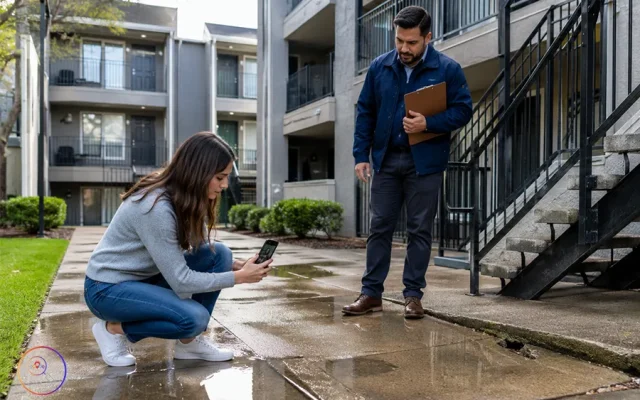
When problems arise, repairs must be handled quickly to prevent damage. HOA fees cover maintenance and emergency work for shared pipes and drainage.
Fast response prevents costly water damage.
Security and Access Systems
Security adds value and peace of mind.
Gates, entry systems, cameras, and lighting all require installation and maintenance. HOA fees support these systems.
Secure buildings feel safer and attract buyers.
Landscaping and Outdoor Areas
Even apartment style communities benefit from green spaces.
Courtyards, walkways, and entry areas need care. Landscaping improves curb appeal and protects property value.
HOA fees fund regular maintenance and seasonal updates.
Compliance and Legal Costs
HOAs must follow laws and regulations.
This includes safety codes, financial reporting, and governing documents. Legal support ensures compliance and protects the community.
HOA fees help cover these necessary costs.
Communication and Administrative Support
Clear communication matters.
HOA management handles notices, meetings, records, and owner requests. Administrative work takes time and resources.
Fees support the systems that keep residents informed and engaged.
Emergency Preparedness
Emergencies happen.
Storms, power outages, and system failures require planning and response. HOA fees support preparedness and rapid action when issues arise.
Prepared communities recover faster.
Pest Control Services
Shared buildings are vulnerable to pests.
Routine pest control protects residents and prevents infestations. HOA fees often include these services.
Prevention saves money and stress.
Structural Inspections and Planning
Buildings need regular assessments.
Inspections identify wear and help plan repairs. HOA fees cover professional evaluations that guide long term planning.
Informed decisions protect value.
Vendor Management and Contracts
Reliable vendors matter.
HOA management selects, negotiates, and oversees contractors. This ensures fair pricing and quality work.
Good vendor relationships reduce long term costs.
Supporting Property Value
All these services work together.
Clean spaces, safe systems, and consistent care protect property values. Buyers look closely at how buildings are managed.
Well maintained communities hold value better.
Why Fees Vary Between Communities
Not all HOA fees are the same.
Building age, size, amenities, and location all affect costs. Elevator buildings cost more to maintain than walk up structures.
Higher fees often reflect higher service levels.
Transparency Builds Trust
Residents deserve clarity.
Good HOAs provide clear breakdowns of where money goes. Transparency builds trust and reduces frustration.
Understanding fees changes perception.
Fees Are an Investment
HOA fees are not wasted money.
They are an investment in safety, comfort, and long term value. Cutting corners usually leads to higher costs later.
Consistent care saves money over time.
What Happens When Fees Are Too Low
Low fees may seem appealing.
In reality, they often signal underfunded reserves and deferred maintenance. This leads to large future assessments.
Balanced fees protect residents.
How Management Impacts Value for Money
Strong management stretches every dollar.
Poor management wastes resources. Quality oversight ensures fees are used wisely.
Efficiency matters.
What Owners Should Ask About Fees
Ask how reserves are funded.
Ask what maintenance is planned.
And ask how vendors are chosen.
Informed owners make better decisions.
Living With Confidence
Knowing what your HOA fees support changes how you feel.
Instead of frustration, you see structure and care. Instead of confusion, you see planning.
Confidence improves community life.
Final Thoughts
HOA fees in apartment style communities cover far more than many people expect.
They support maintenance, safety, planning, and professional oversight. These quiet systems protect your home and your investment.
When fees are managed well, everyone benefits.
Understanding what you pay for helps you appreciate the value behind the number.
Frequently Asked Questions (FAQs)
HOA fees pay for shared maintenance, utilities, insurance, management, reserves, and services that keep the building safe and functional.
Because residents share structural systems and common areas, HOA fees fund upkeep that individual owners cannot manage alone.
Yes, they typically cover insurance for shared structures and common areas, protecting owners from major financial losses.
A large portion goes to routine and preventive maintenance, which helps avoid costly emergency repairs later.
Reserve funds save for major future repairs like roof replacement, reducing the risk of sudden special assessments.
Many HOA fees cover shared utilities such as hallway lighting, parking area electricity, and water for common spaces.
Elevators require regular inspections, repairs, and certifications, making them costly to maintain and operate.
Yes, fees often support gates, access controls, lighting, and cameras that enhance safety and property value.
Costs depend on building age, size, amenities, location, and the level of services provided.
They are an investment in long-term property value, safety, and comfort, helping prevent larger costs in the future.