Staying on top of living spaces demands a shift in mindset. Small apartments get messy fast when belongings accumulate. Developing a routine keeps the home feeling open and calm.
Clutter builds up slowly without notice until the rooms feel small. Residents who focus on simple daily actions find that their homes stay much cleaner. Setting clear rules for what enters the house makes life easier.
Audit Your Belongings Regularly
Some items may sit in corners for years without being touched. If you have not used a non-seasonal item in 12 months, it should be donated or tossed. Keeping only what serves a purpose creates room for mental clarity.
Cluttered closets hide clothes that no longer fit or suit your current style. Clearing out old pieces makes room for things you actually enjoy wearing. Giving away surplus items benefits others in the community.
Go through cupboards twice a year to check for expired goods. Getting rid of broken gadgets or half-finished projects lightens the load. Spend a Saturday afternoon sorting through the kitchen pantry, tossing items that are past their best-before date, and donating unopened cans to a local food bank. Sorting items by category helps you see exactly how much you own.
Find Extra Room For Seasonal Items
Floor space becomes restricted when bulky seasonal items are kept inside the main living area. People find convenient storage near Pakenham or their area to reclaim square footage for daily activities. Renting a small unit allows for the safekeeping of winter coats, extra furniture, and holiday decorations that take up a lot of space in closets for most of the year. Even bicycles and camping gear can stay safe in a storage facility until the next adventure begins.
Clear floors make an apartment feel twice as large. Bulky suitcases or extra chairs for guests are perfect candidates for an off-site locker. Reducing the volume of items in the house makes cleaning floors a breeze.
Understand The Current Housing Market
Renters are seeing more options available lately as new buildings open up. Data indicates that the national vacancy rate hit 7.3 percent earlier in 2026. Higher availability means people move frequently and need better ways to keep their lives sorted.
Moving into a new place is the perfect time to set up new systems. Market trends show that people are prioritizing functional layouts in their homes. Having a system in place keeps a rental looking its best for future inspections. A tidy home reflects a responsible tenant who cares for the property.
Landlords appreciate seeing a well-maintained space. It shows the renter takes pride in their environment. Renters who keep their spaces neat find it easier to get their security deposits back.
Implement Daily Tidy Routines
Setting a timer for ten minutes every evening makes a massive difference. Clearing surfaces before bed stops the mess from snowballing by morning. Small tasks handled quickly prevent a deep clean from taking up the whole weekend.
A clean kitchen is a top priority for most households. Dishes left in the sink create a visual weight that ruins the mood. Following a simple checklist keeps the room functional.
The 10-minute nightly reset
- Wipe down kitchen counters.
- Hang up coats and bags.
- Sort through the daily mail.
- Put the shoes back in the rack.
- Empty the trash bins.
- Straighten couch cushions.
- Clear the dining table.
- Refill water bottles.
Focusing on quick tasks keeps the apartment ready for guests at any time. Consistency is the secret to a stress-free environment. Waking up to a clean home sets a positive tone for the day.
Utilize Vertical Space Options
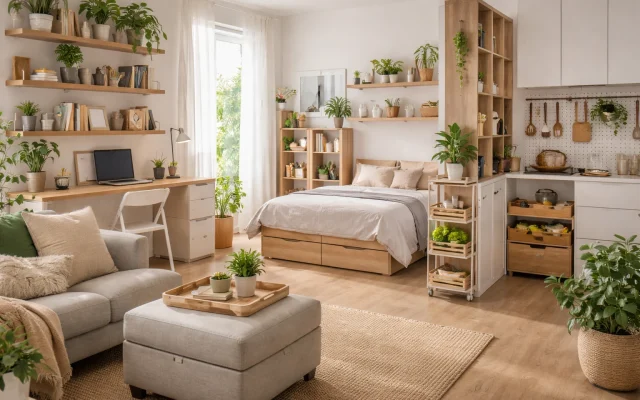
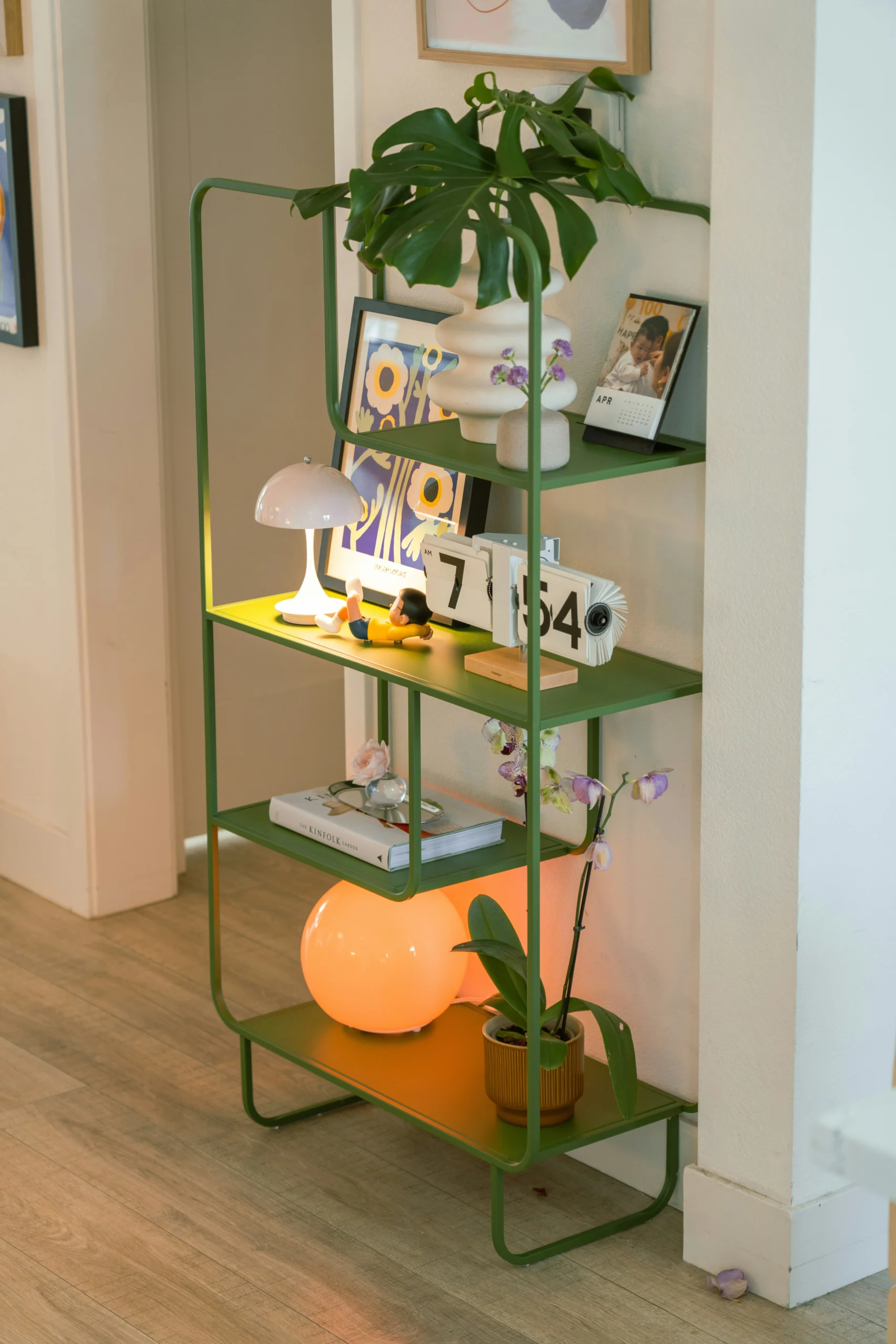
Floor space is a precious resource in any urban dwelling. Installing shelves high up on the walls moves items away from eye level. Tall bookshelves offer plenty of room for organizers without taking over the hallway.
Wall hooks are excellent for bags, hats, and scarves that usually end up on chairs. Utilizing the back of doors for shoe racks keeps the entry clear. Think vertically to transform a small room into a spacious space.
Floating shelves look modern and provide a spot for books or plants. Using the space above the fridge or kitchen cabinets stashes rarely used items. Magnetic strips in the kitchen hold knives and metal utensils, and doing so saves drawer space for other tools. High storage keeps dangerous or fragile items away from children and pets.
Keep High Traffic Zones Clear
Kitchens and bathrooms are the hardest areas to keep neat. Use clear bins to group similar products inside deep cabinets. Grouping items by their use makes finding things much faster during the morning rush.
Labels help every member of the household know where things belong. Returning an item to its specific spot becomes second nature.
- Label bins for snacks.
- Group skincare products.
- Stack extra towels neatly.
- Store cleaning supplies together.
- Organize spice jars alphabetically.
- Keep medicines in one box.
- Group pet supplies together.
- Separate office supplies.
Messy drawers vanish when small dividers are introduced. Sorting utensils or toiletries into compartments keeps everything visible and accessible. Clear containers let you see when supplies are running low.
Stop Clutter At The Doorway
Prevention is the best way to maintain a clean home. Set up a small station for keys and wallets so they never get lost. Designate a specific spot for outgoing packages to move them out of the house faster.
Junk mail piles up on the dining table or kitchen bench. Tossing unwanted paper into the recycling immediately keeps surfaces clear. A small basket for mail keeps valuable documents in one place until they are filed.
Take off shoes at the door to keep the floors cleaner for longer. Providing a bench or stool makes this habit easy for visitors to follow. Managing the entry zone is the first line of defense against chaos.
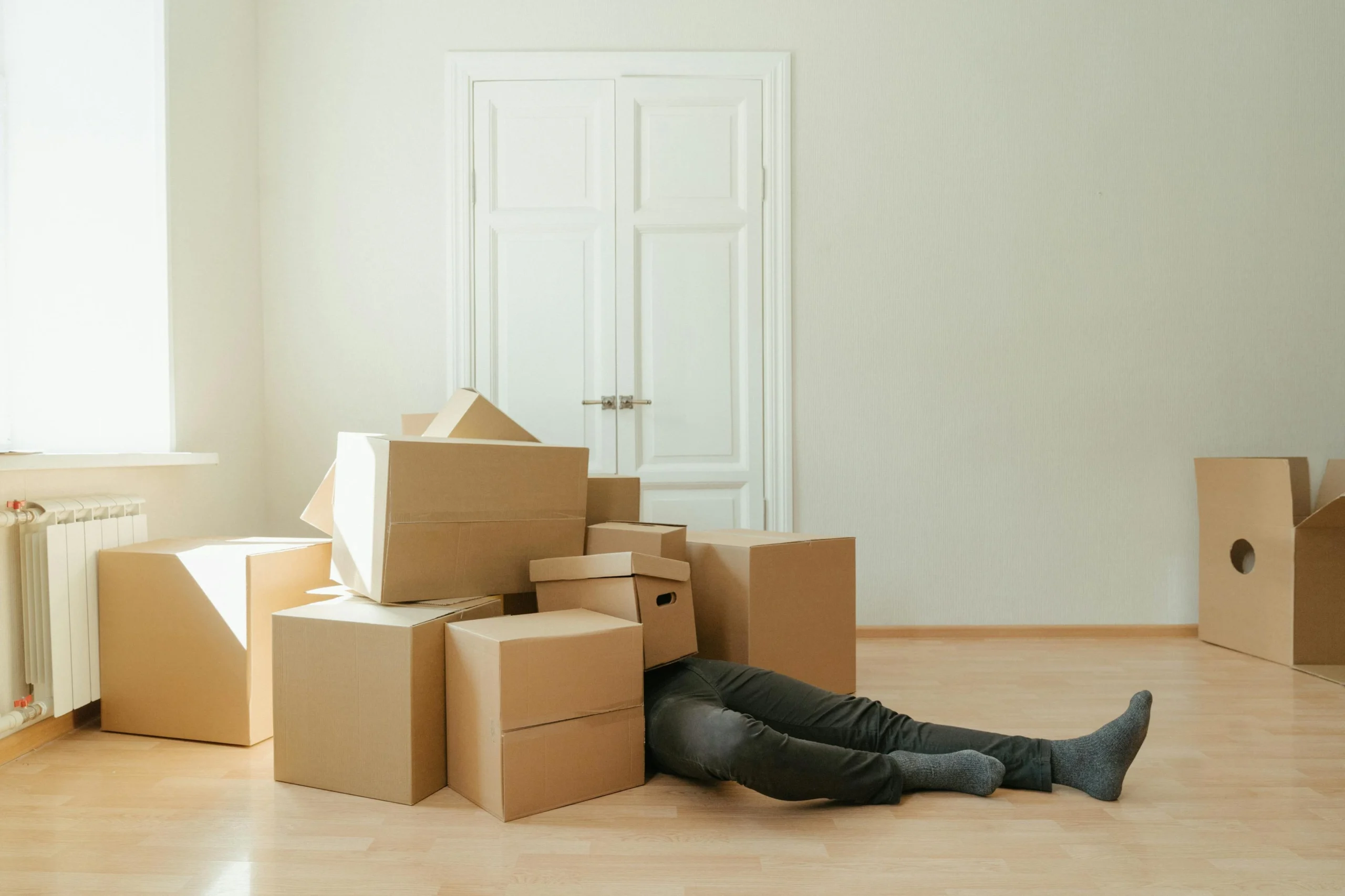
Maintaining a tidy environment is a continuous process. Adopting healthy habits creates a peaceful living space year-round. A little effort every day creates a home you love, and staying organized reduces stress and gives you more time to dedicate to hobbies.
Small changes in how items are stored lead to a much happier lifestyle. Choosing to live with less makes every room feel bigger. Enjoy the clarity that comes with an orderly apartment.
Frequently Asked Questions (FAQs)
You should review your belongings at least twice a year, and remove any non-seasonal items you haven’t used in 12 months.
A 10-minute nightly reset—clearing surfaces, washing dishes, and putting items back in place—prevents mess from building up.
Use vertical storage like shelves, wall hooks, and over-the-door organizers to free up valuable floor space.
Yes, storing bulky seasonal items off-site keeps your main living space open and easier to clean year-round.
The doorway sets the tone for the home—managing shoes, mail, and keys there stops clutter from spreading inside.
Labels create clear systems so everyone knows where items belong, making it easier to return things to their proper place.
High-traffic zones like kitchens and bathrooms require regular upkeep since they accumulate clutter the fastest.
An organized apartment reduces visual stress, promotes calm, and helps you feel more in control of your environment.
Not necessarily, but keeping only items that serve a purpose or bring value makes maintaining order much easier.
Waiting for clutter to pile up before taking action—small, consistent habits are far more effective than occasional deep cleans.