Experiencing a fire in your home is traumatic, both emotionally and financially. Once the flames are extinguished and you’ve ensured everyone’s safety, you’re left facing difficult decisions about what to do with the property. For many homeowners, selling becomes the most practical option, whether because the damage is too extensive to justify repairs, the emotional toll of rebuilding is too great, or financial circumstances require a quick resolution. Understanding how to properly evaluate and prepare a fire-damaged property for sale can help you navigate this challenging situation and move forward with your life.
Conducting Your Initial Assessment
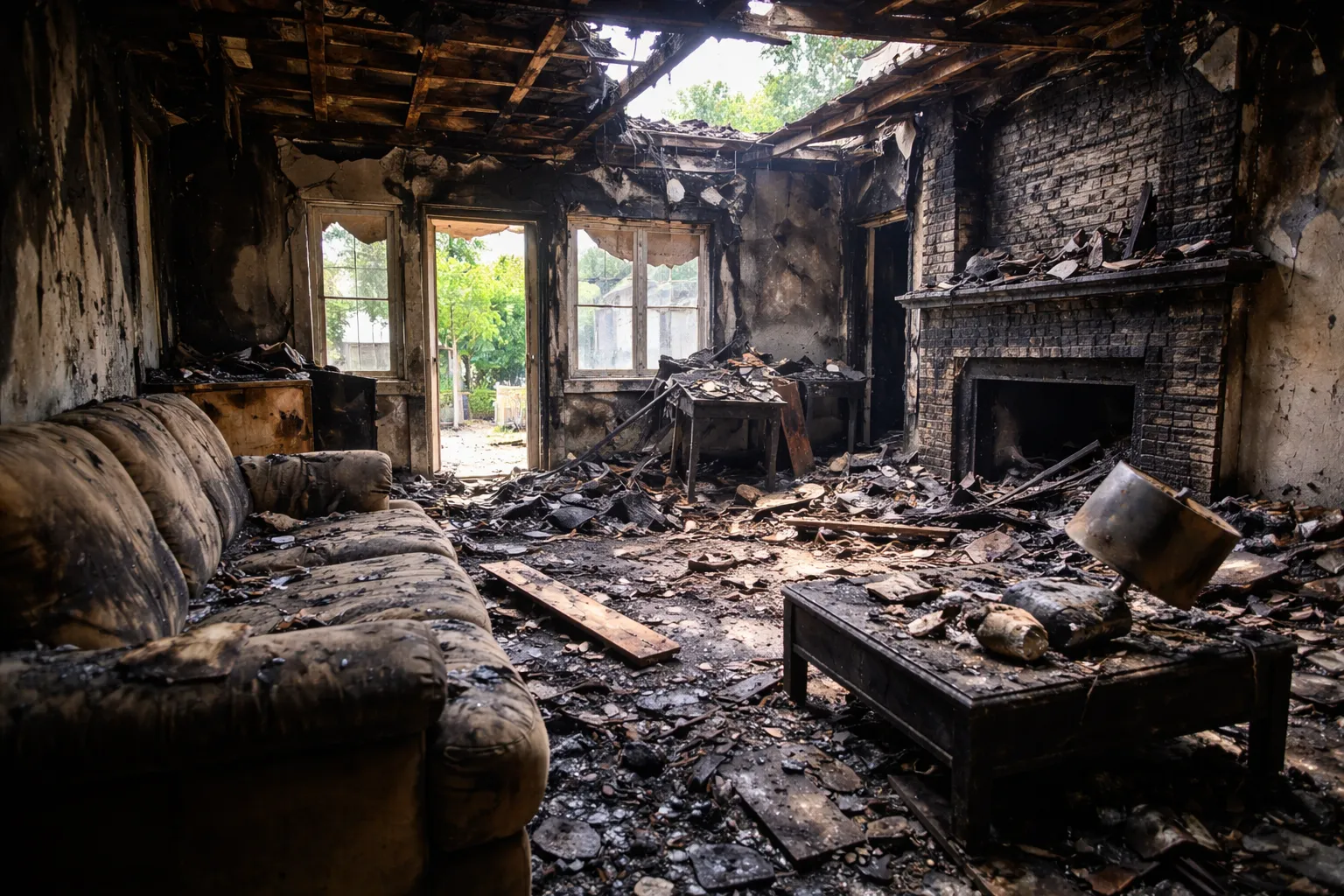
Before you can make any decisions about selling, you need to understand the full scope of what you’re dealing with. Fire damage extends far beyond the visible charred areas and destroyed belongings. The heat, smoke, and water used to extinguish the flames create layers of damage that aren’t always immediately apparent. Walking through the property with a clear head, once authorities have deemed it safe to enter, gives you your first real picture of the situation.
Look at the structural elements first. Are there any areas where the roof or walls appear compromised? Can you see daylight through sections that should be solid? Check for sagging ceilings or floors, which might indicate weakened support structures. These structural concerns will be primary factors in determining whether the property can be reasonably restored or if you’re looking at a more complicated situation.
The smoke damage often surprises homeowners with its pervasiveness. Even rooms that weren’t touched by flames can be heavily affected by smoke that traveled through the home. The acrid smell penetrates everything from drywall to ductwork, and the soot leaves residue on surfaces throughout the property. This type of damage, while less dramatic than fire destruction, can be surprisingly expensive to remediate properly.
Water damage from firefighting efforts creates its own set of problems. The water sits in walls, under flooring, and in other hidden areas where it begins causing mold growth within days. What started as fire damage can quickly become a combination of fire, smoke, water, and mold issues, each requiring different remediation approaches and adding to the overall cost of recovery.
Working with Professional Inspectors and Adjusters
Bringing in qualified professionals to evaluate the damage is essential, both for insurance purposes and for making informed decisions about how to proceed. A structural engineer can assess whether the home’s bones are sound or if there are fundamental integrity issues that would make restoration impractical or unsafe. This evaluation is particularly important if the fire affected load-bearing walls, the roof structure, or the foundation.
Fire restoration specialists can provide detailed assessments of what it would take to bring the property back to livable condition. They’ll examine everything from the electrical and plumbing systems to the HVAC ductwork, identifying components that need replacement versus those that can be cleaned and salvaged. Their estimates give you concrete numbers to work with as you consider your options.
Your insurance adjuster plays a crucial role in this process, though it’s important to remember that adjusters work for the insurance company, not for you. They’ll assess the damage based on your policy coverage and determine what the insurance company will pay for repairs. Having your own documentation, photographs, and professional assessments can help ensure you receive fair treatment in the claims process. Don’t hesitate to challenge lowball estimates or push back if you believe the adjuster hasn’t fully accounted for all the damage.
Understanding Your Selling Options
Once you have a clear picture of the damage and the associated costs, you can make an informed decision about how to proceed with selling. The two main paths are repairing the property before listing it or selling it in its current damaged condition. Each approach has distinct advantages and challenges depending on your circumstances.
Repairing the property before sale typically yields the highest sale price since you’re offering buyers a move-in-ready home rather than a project. However, this path requires significant upfront capital, months of work coordinating contractors and navigating permits, and the ongoing carrying costs of insurance, utilities, and property taxes while repairs are underway. For homeowners who don’t have the financial resources to fund repairs, can’t afford to wait months for the work to be completed, or simply don’t want to manage a major restoration project, this option may not be feasible.
Selling the property as-is with fire damage appeals to many homeowners in this situation because it allows for a much faster resolution. Investors and companies that specialize in purchasing damaged properties understand exactly what they’re buying and come prepared to handle the restoration themselves. While you won’t receive the same price you would for a fully restored home, you also avoid the substantial costs, time, and stress associated with managing repairs. For someone dealing with the aftermath of a traumatic fire, the certainty and speed of an as-is sale often outweigh the potential for a higher sale price down the road.
The right choice depends on your financial situation, timeline, emotional bandwidth, and the extent of the damage. A home with relatively minor damage that’s mostly cosmetic might be worth repairing if you have the means and patience. A property with extensive structural damage, on the other hand, probably makes more sense to sell as-is to a buyer who specializes in these situations.
Preparing Documentation and Disclosures
Regardless of which selling path you choose, thorough documentation is essential. Gather all your records related to the fire, including the fire department report, insurance claim documents, professional inspection reports, and any remediation work that’s been done. Buyers or their representatives will want to see this information, and having it organized demonstrates transparency and professionalism.
Disclosure requirements vary by state, but in most jurisdictions, you’re legally obligated to inform potential buyers about the fire and the extent of the damage. Attempting to hide this information isn’t just unethical; it can expose you to serious legal liability down the road. Even if you’ve made repairs, buyers have the right to know the property’s history so they can make informed decisions about whether it meets their needs.
If you’ve had any remediation work done, keep detailed records of what was addressed. This includes smoke and soot cleaning, mold remediation, structural repairs, and replacement of electrical or plumbing systems. These records not only satisfy disclosure requirements but also demonstrate to buyers that identified problems have been professionally addressed.
Marketing a Fire-Damaged Property
If you’re selling as-is, your marketing approach needs to target the right audience. Traditional homebuyers looking for their dream home aren’t your market; you’re looking for investors, house flippers, or companies that specialize in distressed properties. Your listing should be honest about the condition while highlighting the property’s potential, such as its location, lot size, or the soundness of portions that weren’t damaged.
High-quality photographs are important even when selling a damaged property. While you won’t be trying to make it look move-in ready, clear photos that accurately represent the condition help serious buyers assess the project and determine if it’s worth pursuing. Include images of both the damaged areas and any sections of the home that remain in good condition.
Pricing a fire-damaged property requires balancing several factors. You need to account for the cost of repairs while also considering the property’s value once restored, its location, and current market conditions. Looking at recent sales of similar damaged properties in your area can provide guidance, though these comparables can be harder to find than traditional sales. Professional appraisers who specialize in damaged properties can provide valuable insight into appropriate pricing.
Moving Forward After Fire Damage
Dealing with a fire-damaged property is never easy, but understanding your options and taking a systematic approach to evaluation and preparation can help you navigate the situation successfully. Whether you choose to invest in repairs before selling or to sell the property as-is, the key is making an informed decision based on accurate assessments, realistic cost projections, and your personal circumstances.
Remember that selling a damaged property doesn’t mean you failed or that you’re giving up. It often represents the most practical path forward, allowing you to close this difficult chapter and move on to rebuilding your life without the ongoing burden of managing a complex restoration project. By approaching the situation with clear eyes, gathering the right information, and working with qualified professionals, you can successfully sell your fire-damaged property and transition to whatever comes next.
Frequently Asked Questions (FAQs)
Yes, professional inspections help identify hidden structural, smoke, and water damage so you can make an informed selling decision.
Absolutely—smoke, soot, and heat can spread throughout the home, damaging walls, ductwork, and materials far from the flames.
Repairing can increase the sale price, but it requires time, money, and stress that may not be feasible for every homeowner.
Yes, as long as you properly disclose the fire and known damage according to your state’s disclosure laws.
Investors, flippers, and companies specializing in distressed properties are the most common buyers.
The value is usually reduced based on repair costs, remaining structural integrity, location, and post-repair market value.
Yes, buyers should be informed about what remediation or repairs were completed and who performed the work.
Insurance documentation is important and often requested by buyers to understand what damage occurred and what was covered.
Marketing should be honest, focus on potential, and target buyers experienced with renovation or restoration projects.
No, selling is often a practical choice that allows homeowners to move forward without the emotional and financial strain of rebuilding.