
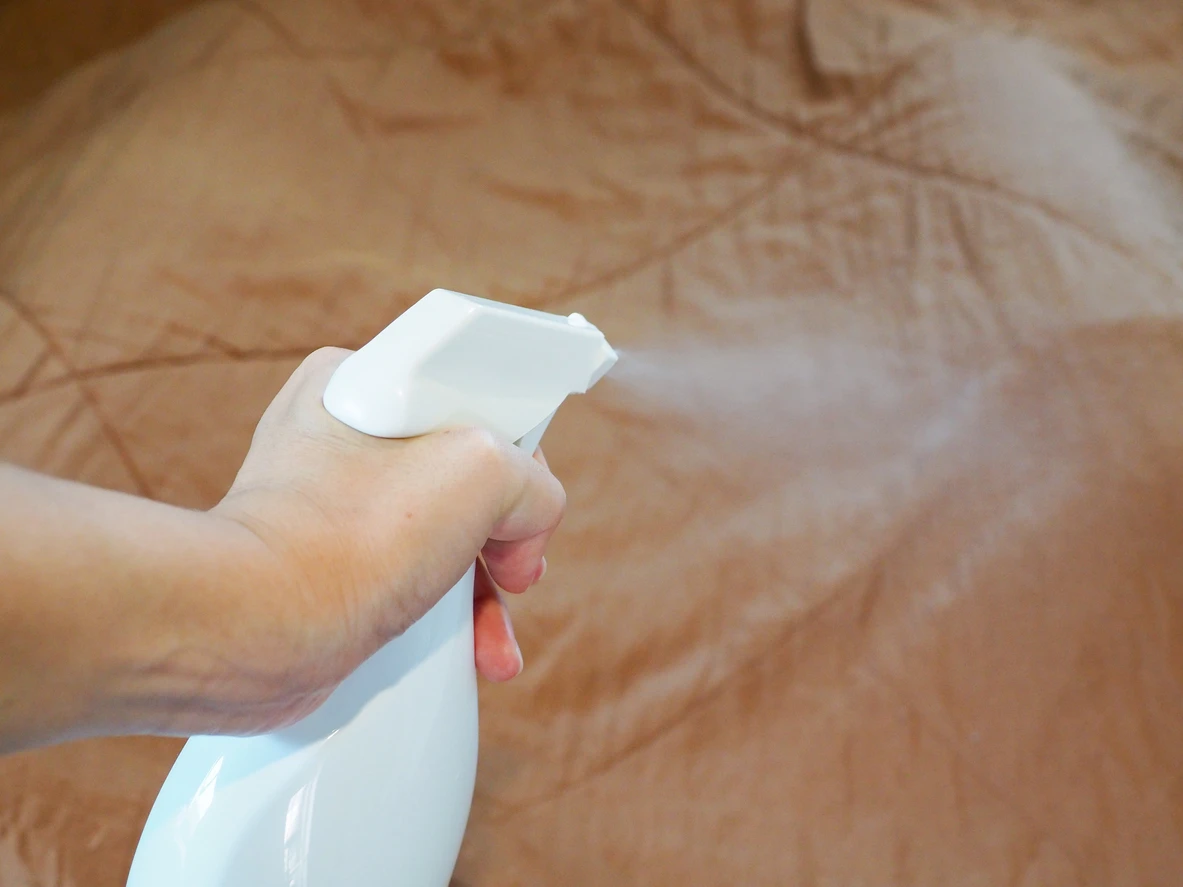
Everybody wants fast relief, right? But honestly, spraying your apartment for bed bugs usually just makes things worse. Most DIY sprays don’t touch the eggs, end up chasing bugs deeper into walls or even next door, and they’re pretty much useless against resistant bed bug strains—so all those cans and kitchen concoctions? They mostly waste your time and money. If you’re hoping to actually get rid of bed bugs in an apartment, spray-only DIY stuff almost never solves it; you need a focused, multi-step plan.
Here’s what’s really going on: why the usual sprays flop in apartments, how certain treatments just drive bugs into hiding, and what you should actually do if you want to get rid of them (and keep them gone). We’ll also touch on headaches unique to renters—like shared walls, bugs coming home from public places, and when it might be time to talk to a lawyer if your health or safety’s at risk. If you think a hotel or rental left you with bed bug injuries, a Michigan bed bug injury attorney can help you figure out your options.
Why DIY Bed Bug Sprays Fail in Apartments
In apartments, bed bugs tuck themselves into tiny cracks, slip through walls, and often just shrug off common chemicals. Most people only spray what they can see, totally missing eggs and hidden bugs—so survivors just bounce back, or even move next door.
The Challenges of Hidden Bed Bug Infestations
Bed bugs love seams, baseboards, bed frames, electrical outlets, and those annoying folds in furniture. If you only treat the mattress surface, you’re leaving eggs and baby bugs in the box spring, behind the headboard, and under baseboards. Sprays that need direct contact just can’t reach these sneaky spots.
Living in an apartment makes it even trickier: bugs crawl through wall gaps, plumbing, and even into other units. If your neighbor doesn’t treat their place, you could get re-infested over and over. Sure, vacuuming and mattress covers help with what’s on the surface, but they don’t touch eggs or bugs hiding deep in the structure.
Pesticide Resistance and Ineffective Sprays
Most store-bought sprays are just pyrethroids. The problem? In cities, bed bugs have built up resistance, so those aerosol cans and bug bombs need way more than the label says—if they work at all. That’s why some people spray over and over and see zero improvement.
Some folks try essential oils, vinegar, or homemade stuff. These might kill or chase off a few bugs on contact, but they don’t last, and eggs are basically unaffected. Diatomaceous earth can dry out bugs, but it’s slow and only works where you actually put it down—miss a spot and you’re out of luck.
Improper Application and Incomplete Coverage
To do it right, you’d have to treat every mattress seam, bed frame, baseboard, crack, and furniture joint—with products that are actually safe for indoors. Most people just spray what they see, skip behind outlets, or forget about wall voids, so you end up with patchy coverage and bugs just find new hiding places.
Foggers and “bug bombs” are especially misleading—they make it feel like you’ve covered everything, but really, they leave almost no residue and don’t reach the real hiding spots. Using the wrong dilution, spraying too often, or picking products not meant for fabric can make things worse and even ruin your stuff.
Health and Safety Risks of DIY Methods
Spraying indoors again and again means you (and your kids or pets) are breathing in or touching more chemicals. Mixing products or overdoing it with pyrethroid sprays? That’s just asking for rashes, breathing trouble, or worse. And if you ignore the label, you might accidentally create something dangerous.
Some people try to make up for it by dumping loads of diatomaceous earth or spraying inside electrical outlets—both of which have their own risks. Honestly, calling a licensed pest pro for a coordinated treatment usually means you’ll use less chemical overall, and you’ll be safer, compared to a bunch of random DIY tries.
What Actually Works for Bed Bug Control in Apartments
Getting rid of bed bugs in apartments takes more than a can of spray. You need solid detection, coordinated treatments, and methods that actually hit every life stage. Tenants and landlords should expect a real inspection, a clear plan, and follow-ups from a licensed pest control company.
Professional Inspection and Accurate Detection
A real pest control company starts with a detailed inspection—sometimes with monitors or even trained dogs—to find exactly where the bugs are hiding. They’ll check mattresses, box springs, frames, outlets, baseboards, and even inside walls to figure out how bad it is and where they’re coming from.
Good detection shapes the whole plan. You should get a written report showing where bugs were found, how bad they are, and what steps to take next. Tenants usually get instructions for laundry, decluttering, and using mattress covers (which trap any stragglers and protect your bed after treatment).
It’s really important to coordinate across the building. If bugs show up in neighboring units or common spaces, the pest control company should arrange treatments for everyone at the same time, with clear follow-up dates. That’s how you actually stop them from coming back.
Integrated Pest Management and Effective Treatments
Integrated pest management (IPM) means combining chemical and non-chemical tactics that fit your apartment and how far the infestation has gotten. Pros will vacuum targeted areas, use steam on contact sites, put on mattress covers, set up interceptors under bed legs, and have you wash bedding at high temps (60°C or hotter) to knock down the population right away.
For chemicals, they’ll use residual insecticides with different active ingredients to dodge resistance—like mixing neonicotinoids with non-pyrethroid options when needed. Licensed applicators rotate products and treat cracks, crevices, and wall voids—never just spraying everything—so you get better results with less exposure.
Everything’s documented and scheduled. A pro bed bug service gives you a written IPM plan, dates for any retreatments if bugs are still around, and clear instructions for tenants to keep things bug-free until you get the all-clear.
The Role of Heat Treatment and Chemical Solutions
Whole-unit heat treatment basically cranks up room temperatures to a point where both eggs and adult bugs can’t survive—usually above 45°C, and it has to stay that hot for hours. The companies that handle this bring in hefty heaters and a bunch of sensors, and their techs will shuffle out anything that can’t take the heat. They keep an eye on the temperature in different spots, making sure the entire place hits that deadly threshold.
Pairing heat with some well-placed chemical applications tends to work even better. The heat wipes out what’s exposed, including eggs, while the residual sprays go after any stubborn survivors hiding deep in cracks or even next door in the walls. Honestly, most pest control pros say they get better results on the first try when they use both, rather than just spraying and hoping for the best.
If you’re a tenant, it’s worth double-checking that your provider is actually certified for this kind of heat treatment. Ask for a plan that spells out what you need to do for safety, what follow-up checks they’ll do, and whether they can add extras like mattress covers or those little interception cups. When the job’s done right, this combo approach really cuts down on the odds of bugs coming back—or sneaking off into the next apartment over.
Frequently Asked Questions (FAQs)
Most sprays don’t kill eggs and only work on direct contact, so hidden bugs survive and the infestation rebounds.
No—almost all DIY sprays miss eggs entirely, which allows new bugs to hatch and restart the problem.
Yes, sprays often drive bed bugs deeper into walls and shared spaces, pushing them into neighboring units.
No, foggers don’t reach cracks, crevices, or wall voids where bed bugs actually hide.
They may kill a few bugs on contact but provide no lasting control and don’t affect eggs.
Many urban bed bug populations are resistant to pyrethroid insecticides, which most DIY sprays rely on.
It can help in very limited areas, but it works slowly and only where it’s precisely applied.
Yes, repeated indoor spraying or mixing products can increase risks of breathing issues, skin reactions, and accidental exposure.
A coordinated plan using professional inspection, integrated pest management, and follow-up treatments is far more effective than sprays alone.
If bed bugs persist, spread through the building, or cause health problems, tenants may need licensed pest control—or legal advice—to protect their rights.